
Amazing tour of Japan with Ichi!
I can design your tour according to your needs and interests.
Here are some popular itineraries.
Osaka
Osaka Half Day :
Osaka Castle and Dotombori
Osaka Full Day :
Osaka (Sky Building – Osaka Castle – Shiten’noji Temple – Kuromon Market – Doguyasuji Kitchenware St. – Dotombori)
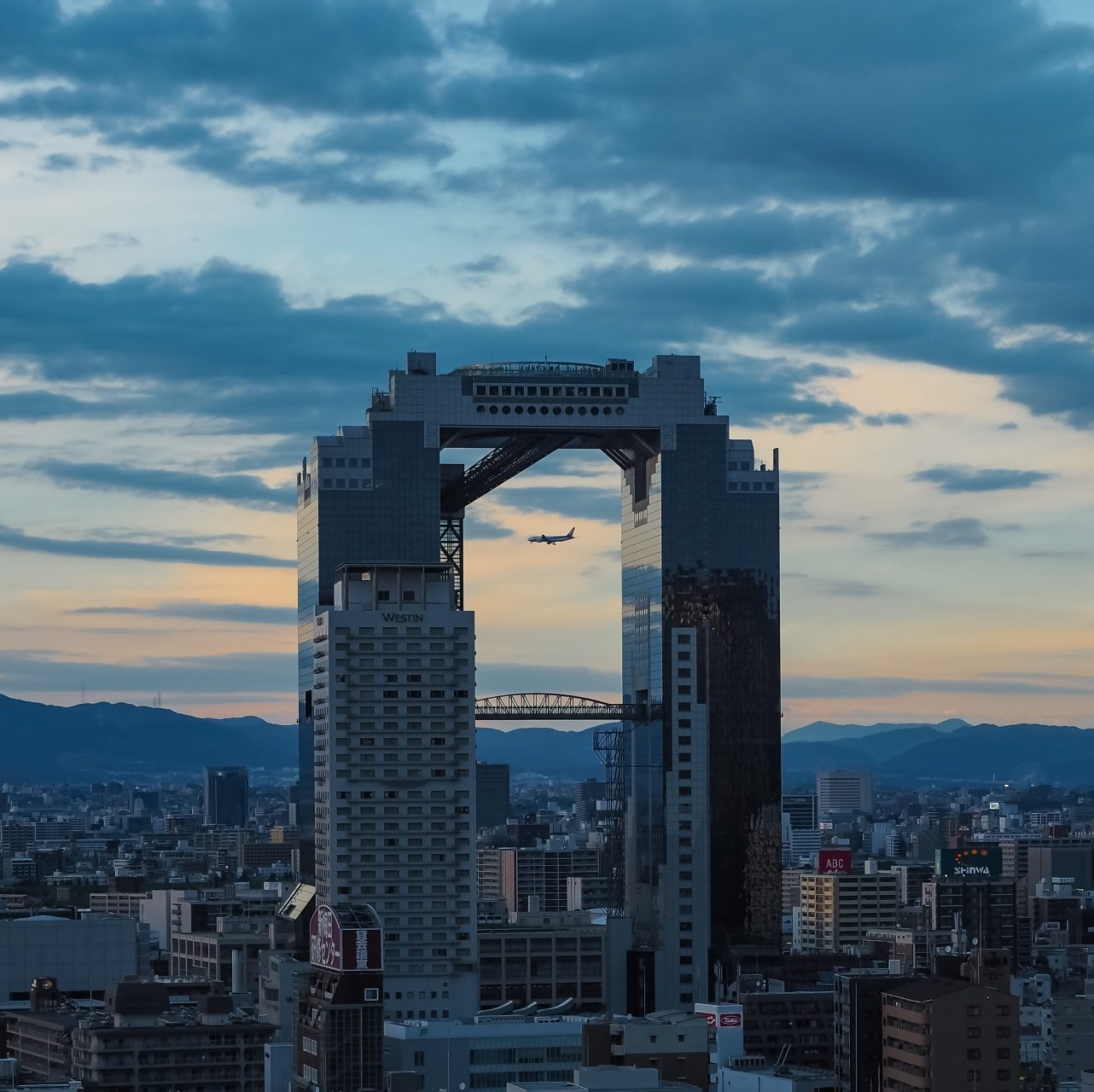
Umeda Sky Building’s Floating Garden Observatory
is a good place to see a panoramic view of Osaka from above. This uniquely-looking building was chosen as one of the 20 most attractive buildings of in the world by a British publisher, along with Spain’s Sagrada Familia and India’s Taj Mahal.
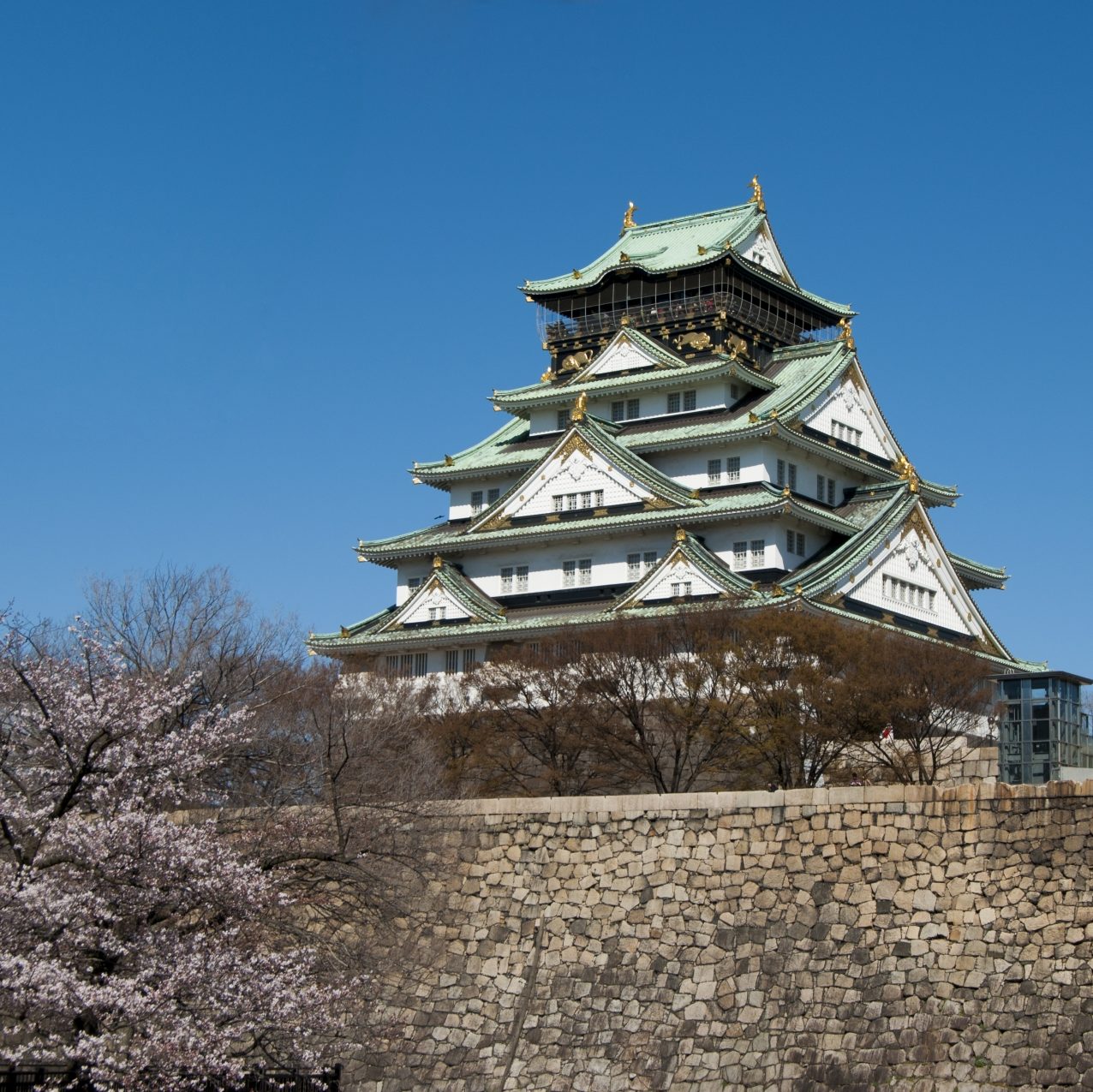
Osaka Castle
is the symbol of Osaka. It was originally built in the late 16th century by Hideyoshi, the samurai warrior who reunited Japan after over 100 years of civil wars. Though the current castle has been totally rebuilt twice, but it is still a must-see in Osaka.
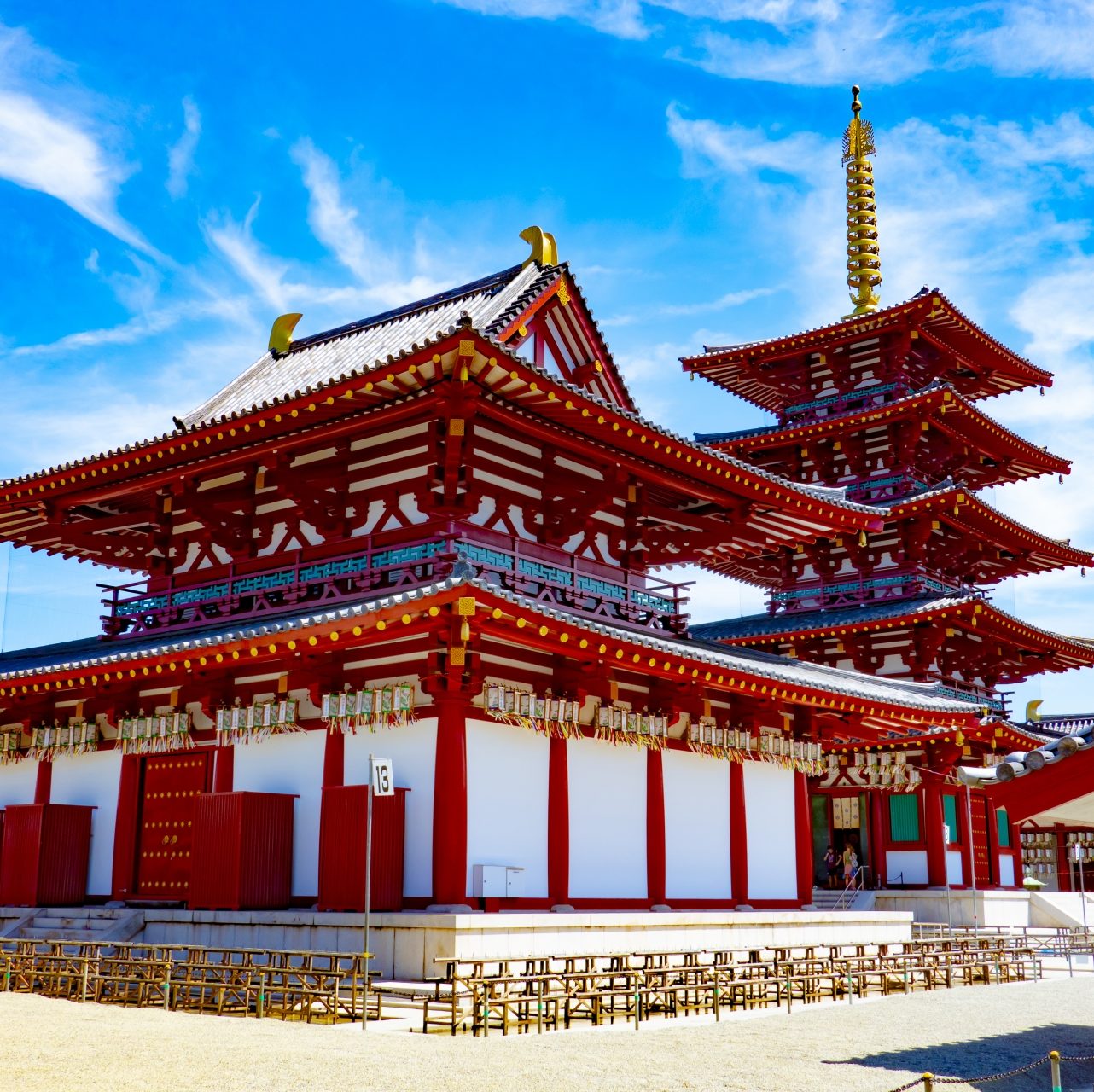
Shiten’noji Temple
is the first state Buddhist temple originally built in the late 6th century. Buddhism was embraced here officially for the first time by the Japanese Government. If we visit the temple by 11am in the morning, you can see the daily Buddhist ritual.
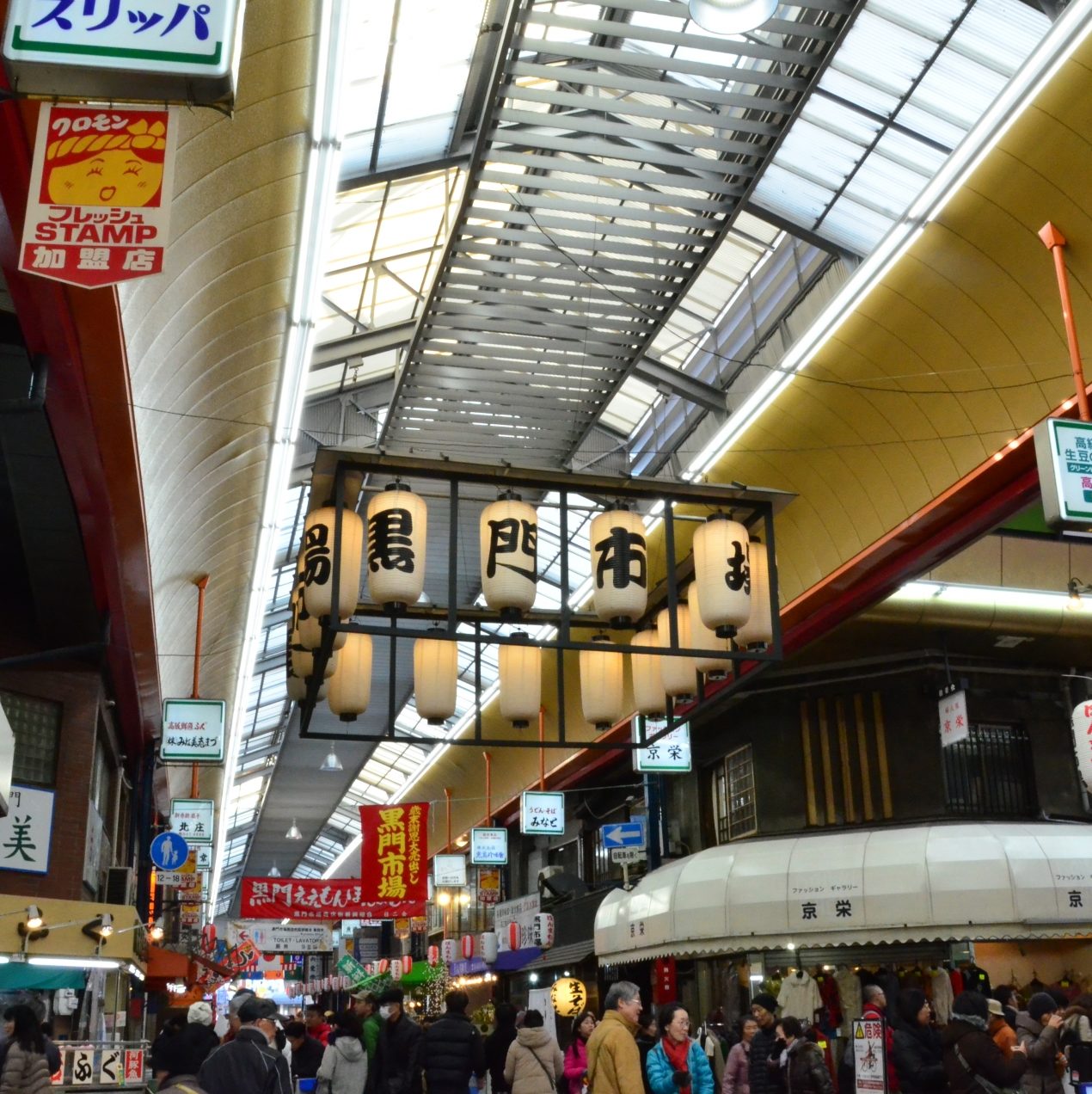
Kuromon Market
is known as Osaka’s Kitchen which used to cater for many restaurants in the area. You can taste many kinds of foods from blow-fish to Kobe beef here. Animation St. and Kitchenware St. are also nearby.
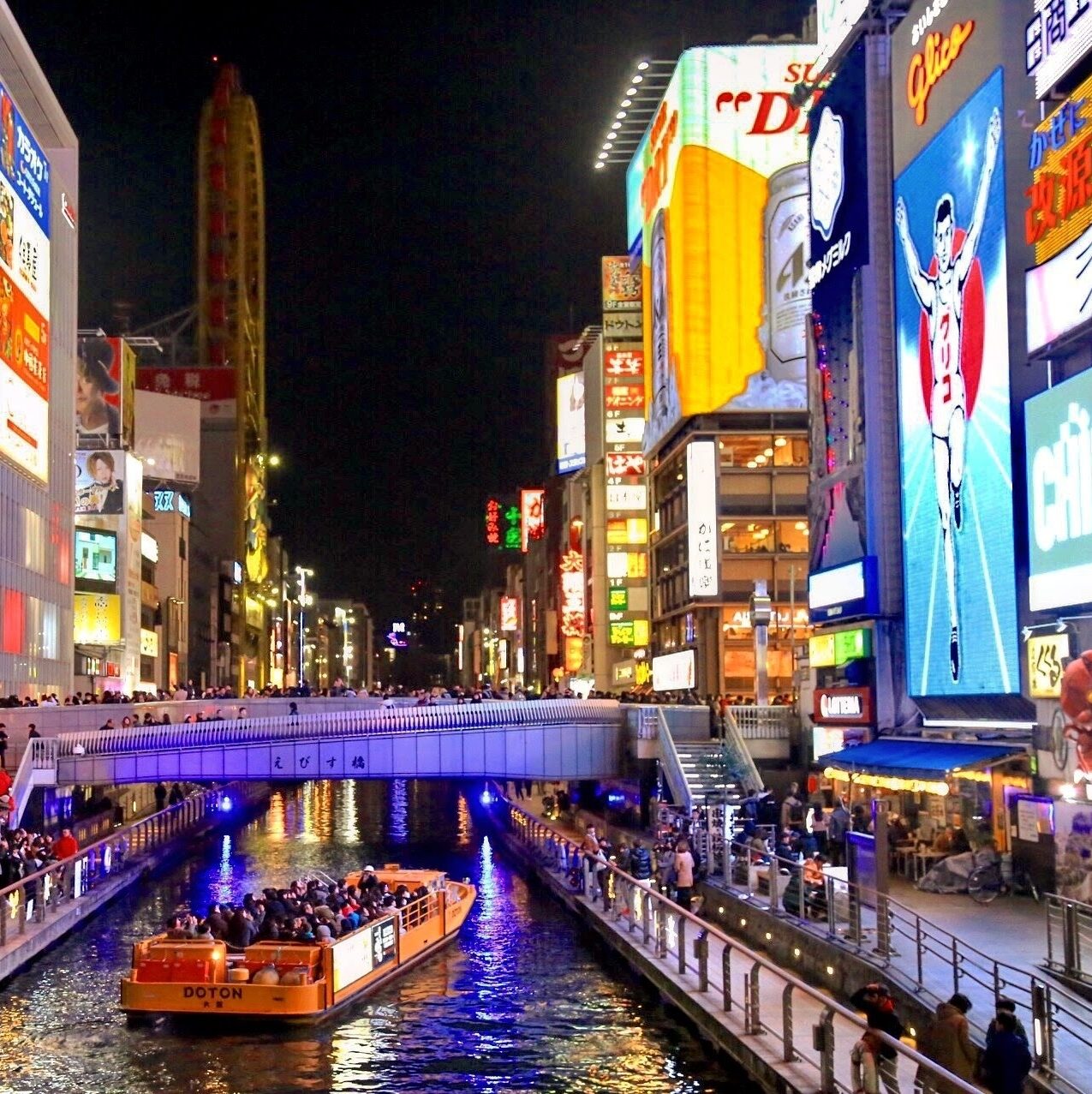
Dotombori
is Osaka’s answer to Times Square. There are numerous restaurants and shops to choose from. The whole area will be lit by neon lights in the evening. This is the most characteristic part of Osaka which you cannot miss.
Other places of interests in Osaka
Shin-Sekai, Temjimbashi-suji Shopping Arcade, Sumiyoshi Taisha Shrine, Universal Studio Japan, the largest Korean Community in Japan.
Kyoto
Kyoto was the capital of Japan for over 1,000 years before it moved to Tokyo (means ‘Eastern Kyoto’) in 1868. Kyoto has a population of 1.5 million people, and there are 1,600 Buddhist temples and 400 Shinto shrines here. So, this is not just an ancient city, and there are many things to see. It usually takes a week to see Kyoto, but here are some examples of the major places to visit.
Kyoto(1) :
Gems of Eastern Kyoto(Fushimi Inari Shrine – Tofukuji Temple(Komyoin) – Sanjusangendo – Kiyomizudera Temple – Gion District)
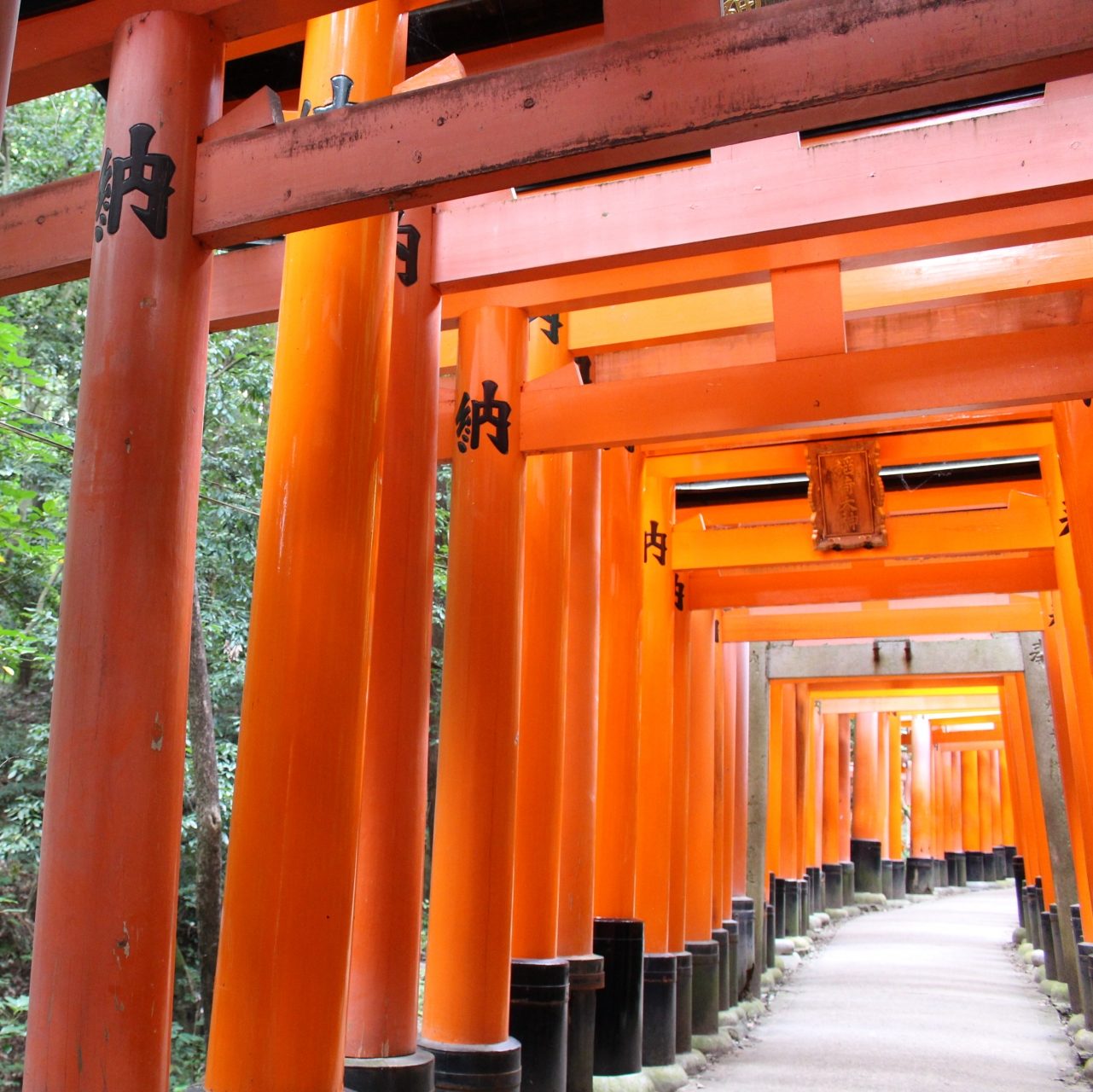
Fushimi Inari Shrine
Established in the early 7th century by a powerful aristocrat from the Korean peninsula. The place is famous for thousands of picturesque torii gates. It appeared in such films as “Memoirs of a Geisha” and has become one of the most popular tourist destinations in Japan.
Tofukuji Temple
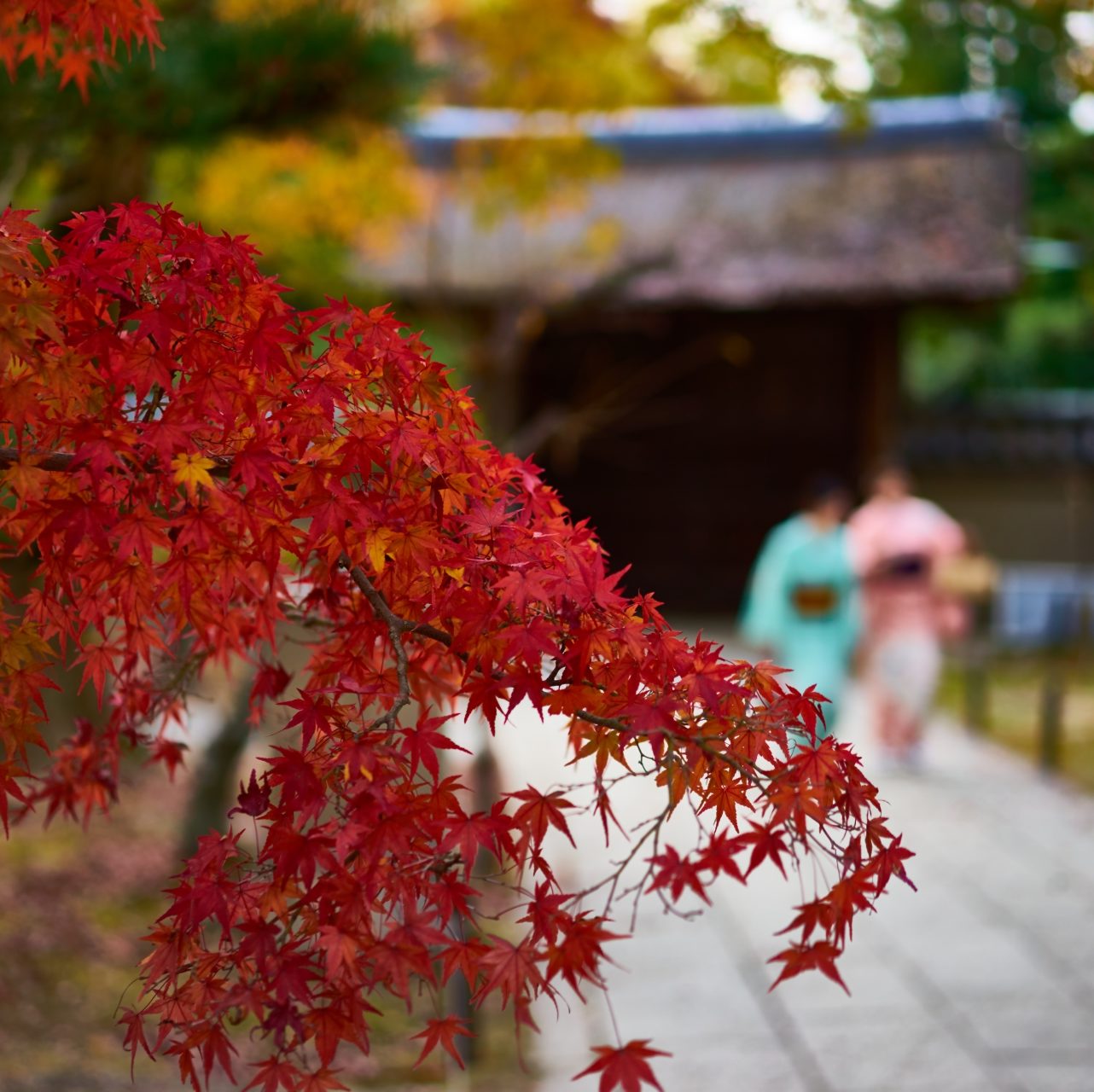
is one of the major Zen Buddhist Temples in Kyoto, and a particularly popular place to see autumn leaves in Kyoto. Komyoin, one of its sub-temples, has a beautiful dry landscape stone garden designed by Shigemori Mirei.
Sanjusangendo Temple
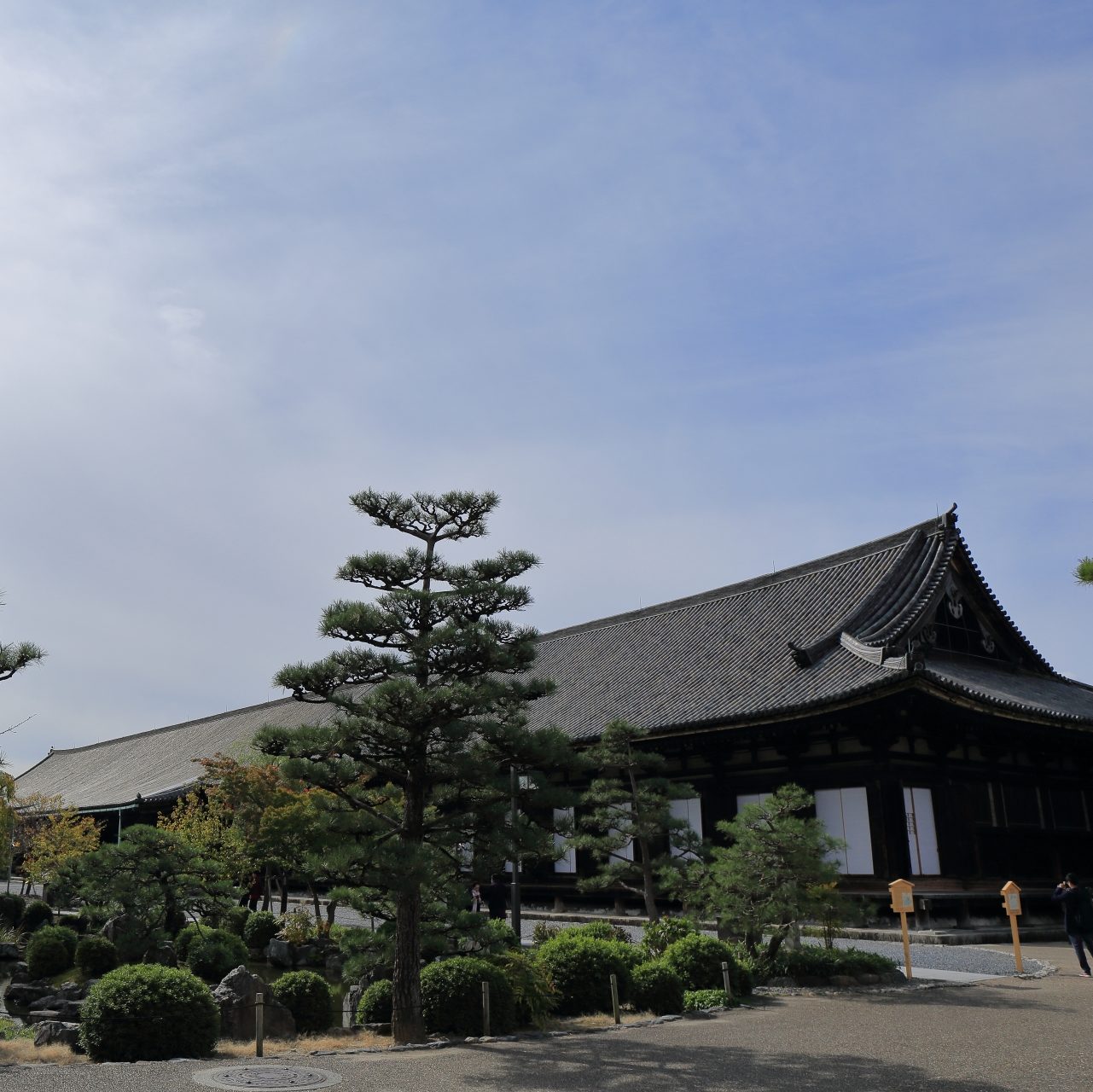
is famous for 1,001 Bodhisattva statues standing together in the longest wooden structure building in the world. Simply breathtaking.
Kiyomizudera Temple
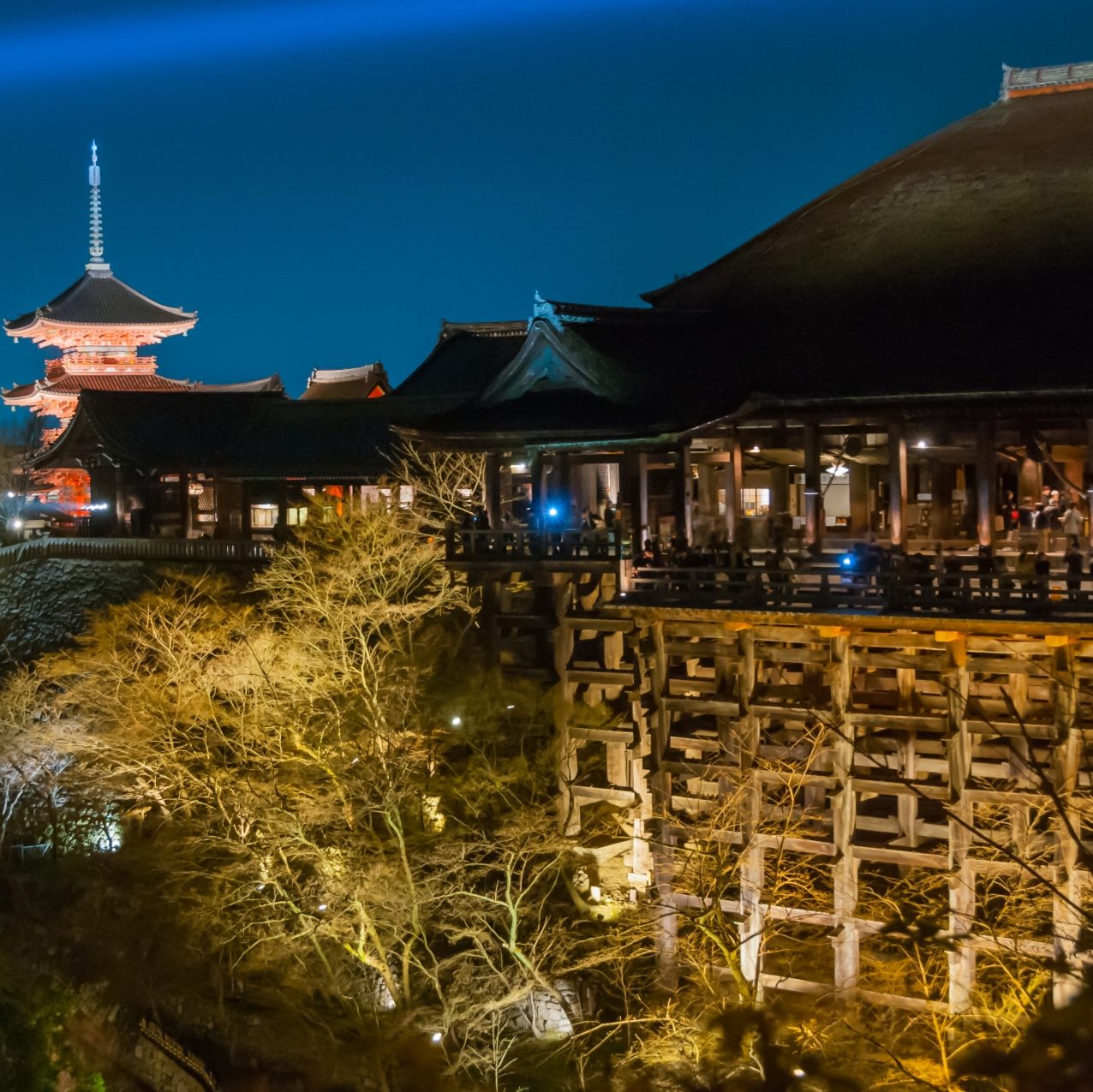
a world heritage site built in the late 8th century, has a stunning view of a grand wooden stage. A good place to see cherry blossoms in spring. There are lively stone paved slopes filled with many interesting souvenir shops on the way. This area is also famous for Kiyomizu-style ceramics.
Gion Districts
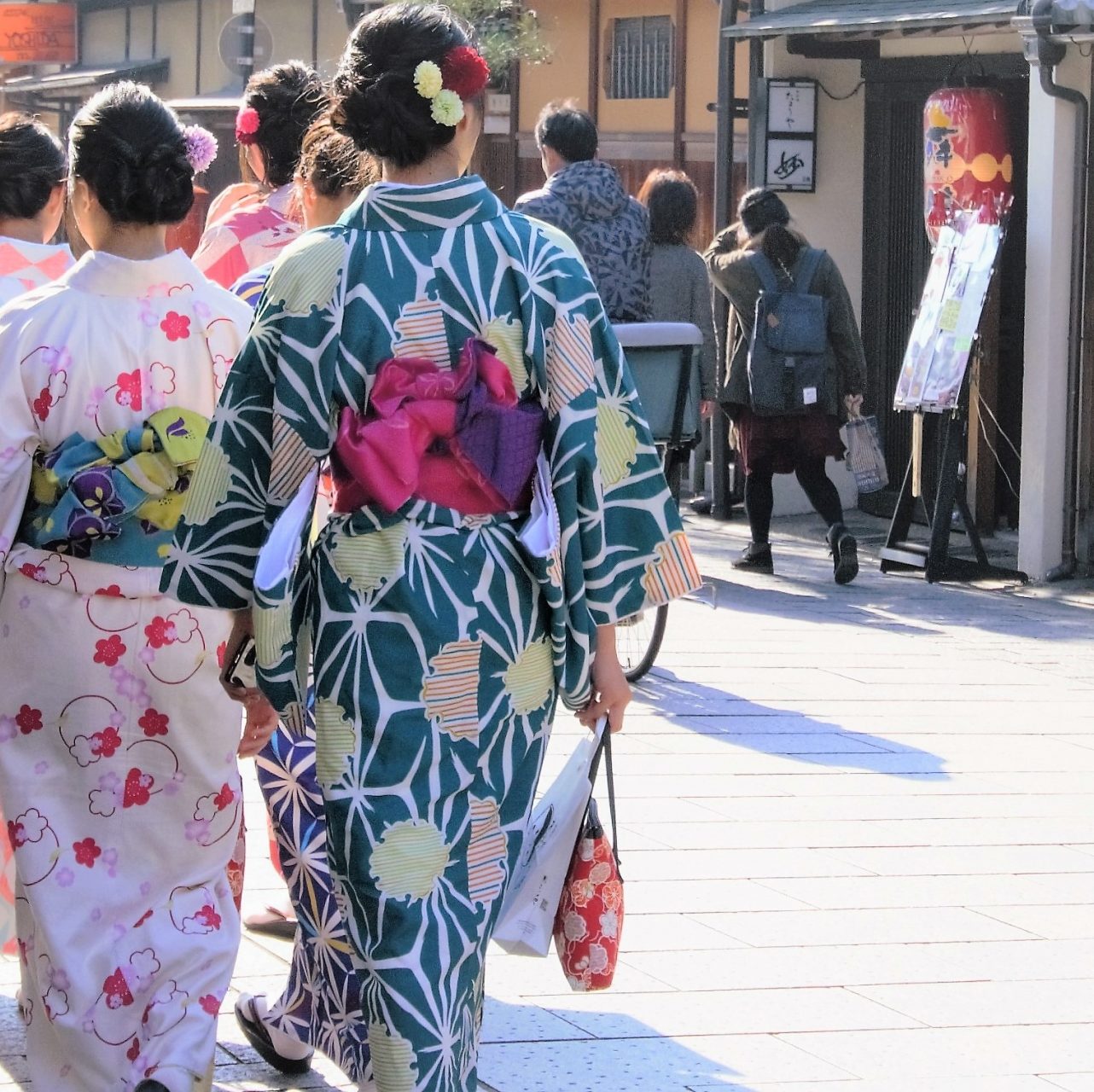
The heart of geiko(geisha) and maiko culture in Kyoto. We may be able to bump into them on their way to their jobs in the evening.
Kyoto(2) :
Arashiyama & Northern Kyoto(Monkey Mountain – Tenryuji Temple & Garden – Bamboo Forest – Ohkochi Sanso Garden – Ryoanji Temple – Kinkakuji Temple(Golden Pavilion)
Iwatayama Monkey Mountain
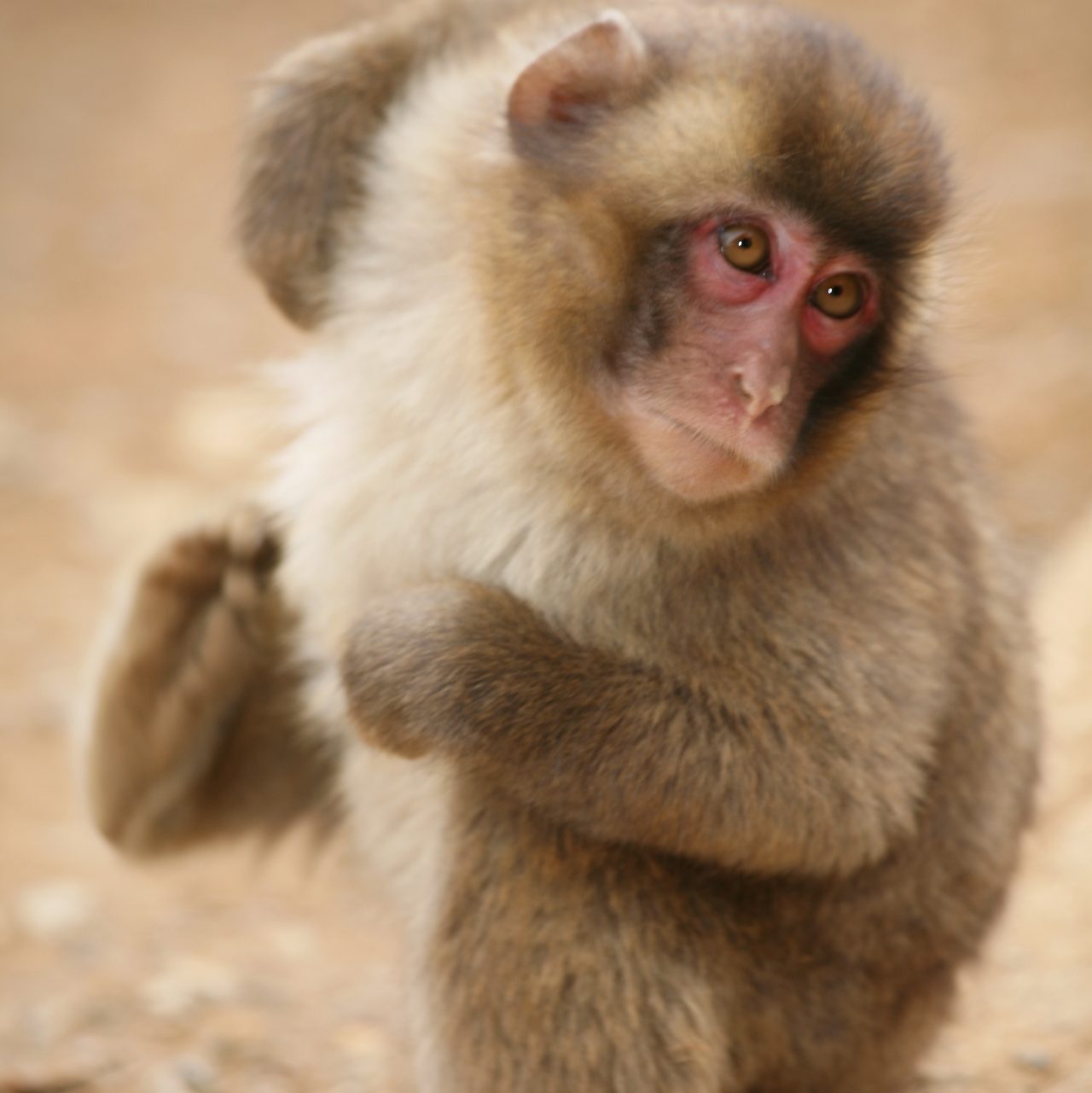
has about 100 wild monkeys. Need to walk up the hill for 20 minutes, and baby monkeys are waiting to be fed by you.
Tenryuji
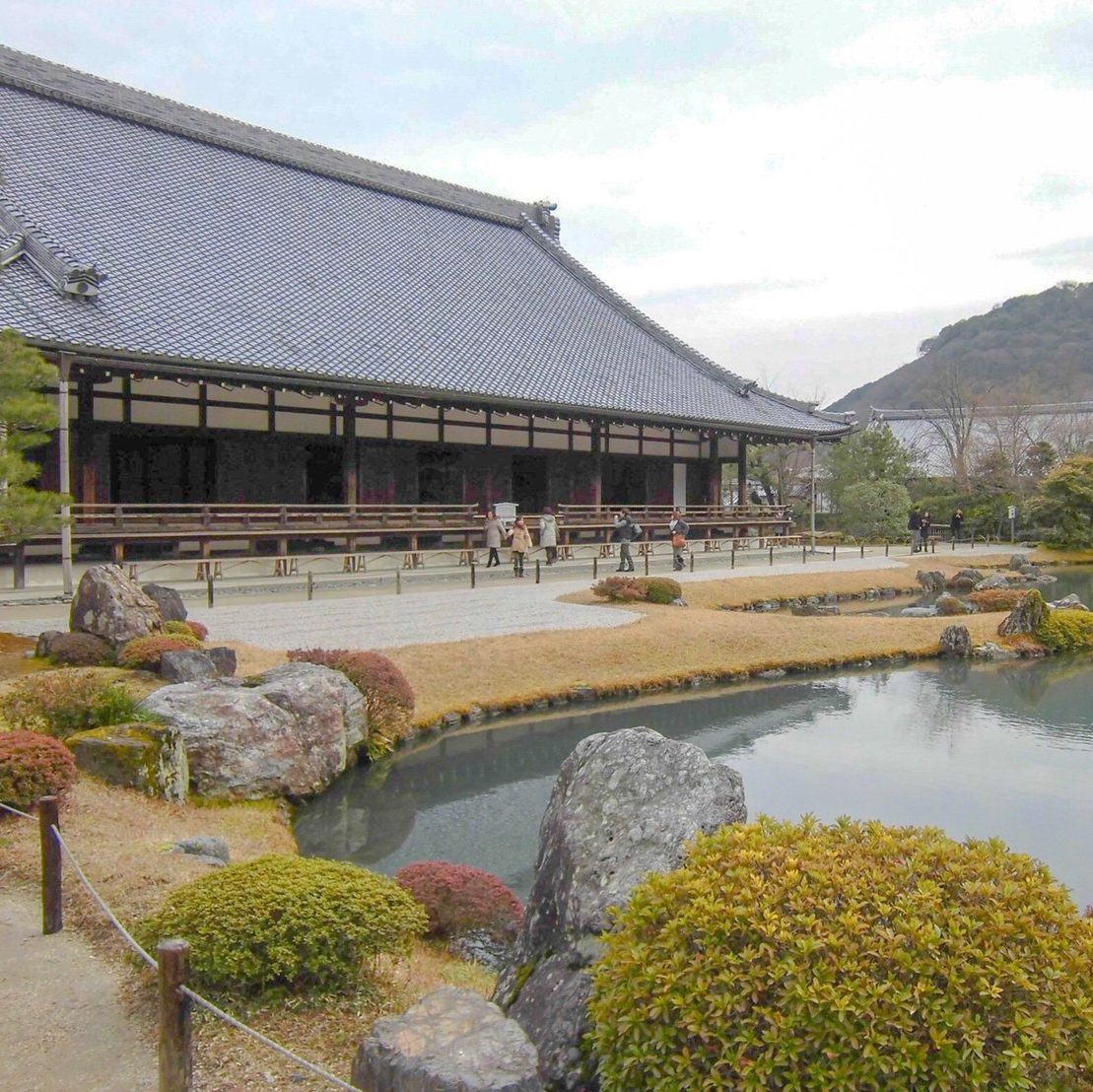
means Heavenly Dragon Temple. It is one of the biggest Zen Buddhist temples in Kyoto. Sitting in front of a world heritage garden will make you forget all about time.
Bamboo Forest
is one of the most familiar sites in Kyoto. A great place to take Instagram photos, but if you close your eyes, you may be able to listen to the sound of bamboos whispering.
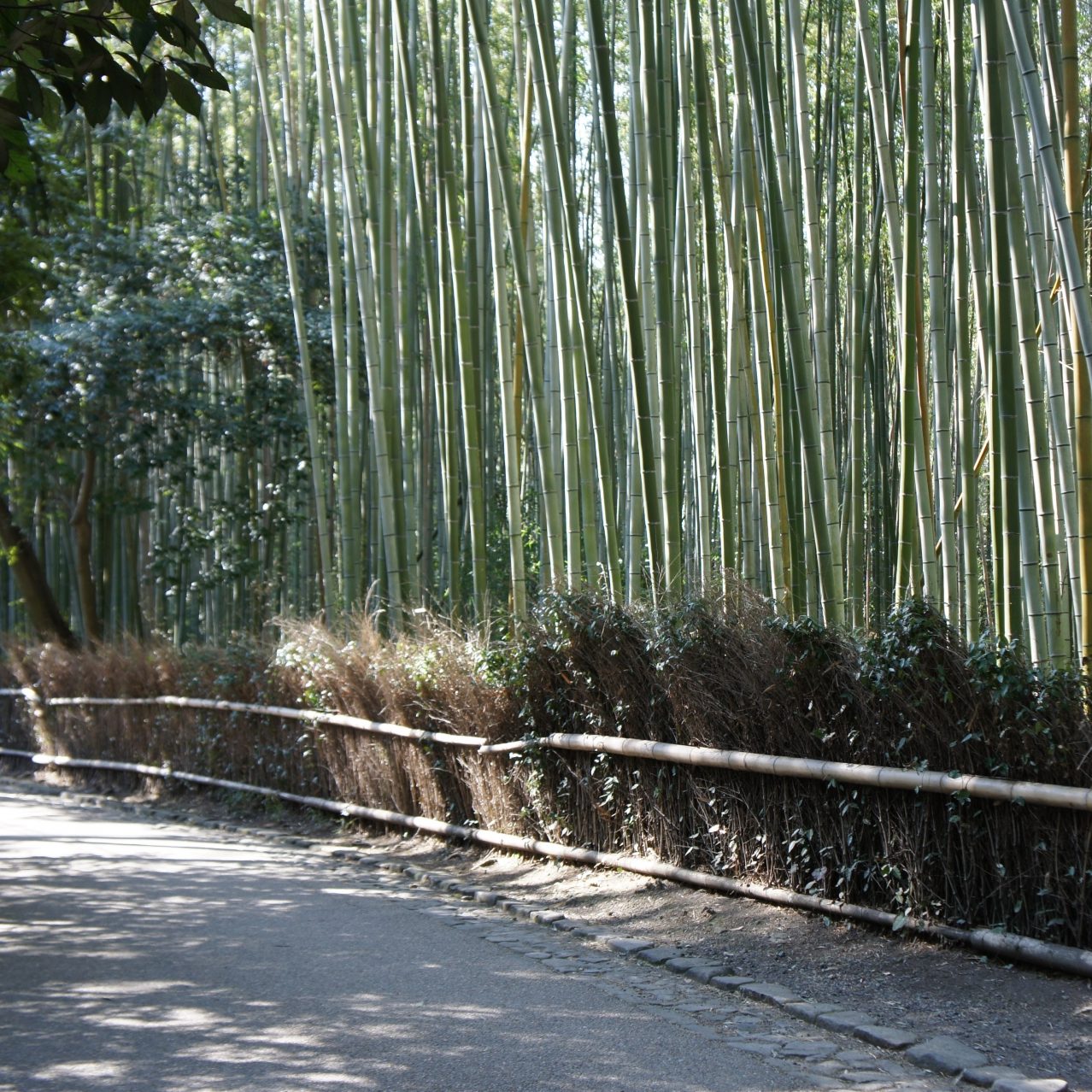
When we step out of the bamboo forest, there is peaceful Ohkohchi Sanso Garden Villa. It is a private garden and villa made by a popular silent movie actor who slowly built the place by himself.
Queen Elizabeth II’s visit to Ryoanji Temple in 1975 made the rock garden of this temple famous. It is said that you have reached enlightenment if you can find all 15 stones at once.
Brightly shining Kinkakuji (also known as Golden Pavilion) catches everyone’s eyes. Built in the late 14th century by Ashikaga Yoshimitsu, it was refurbished in 1989, using 20 kg worth of gold leaf.
Kyoto(3) :
Treasures of Northern and Eastern Kyoto(Golden Pavilion – Silver Pavilion – Philosopher’s Walk – Nanzenji Temple – Murin’an Garden)
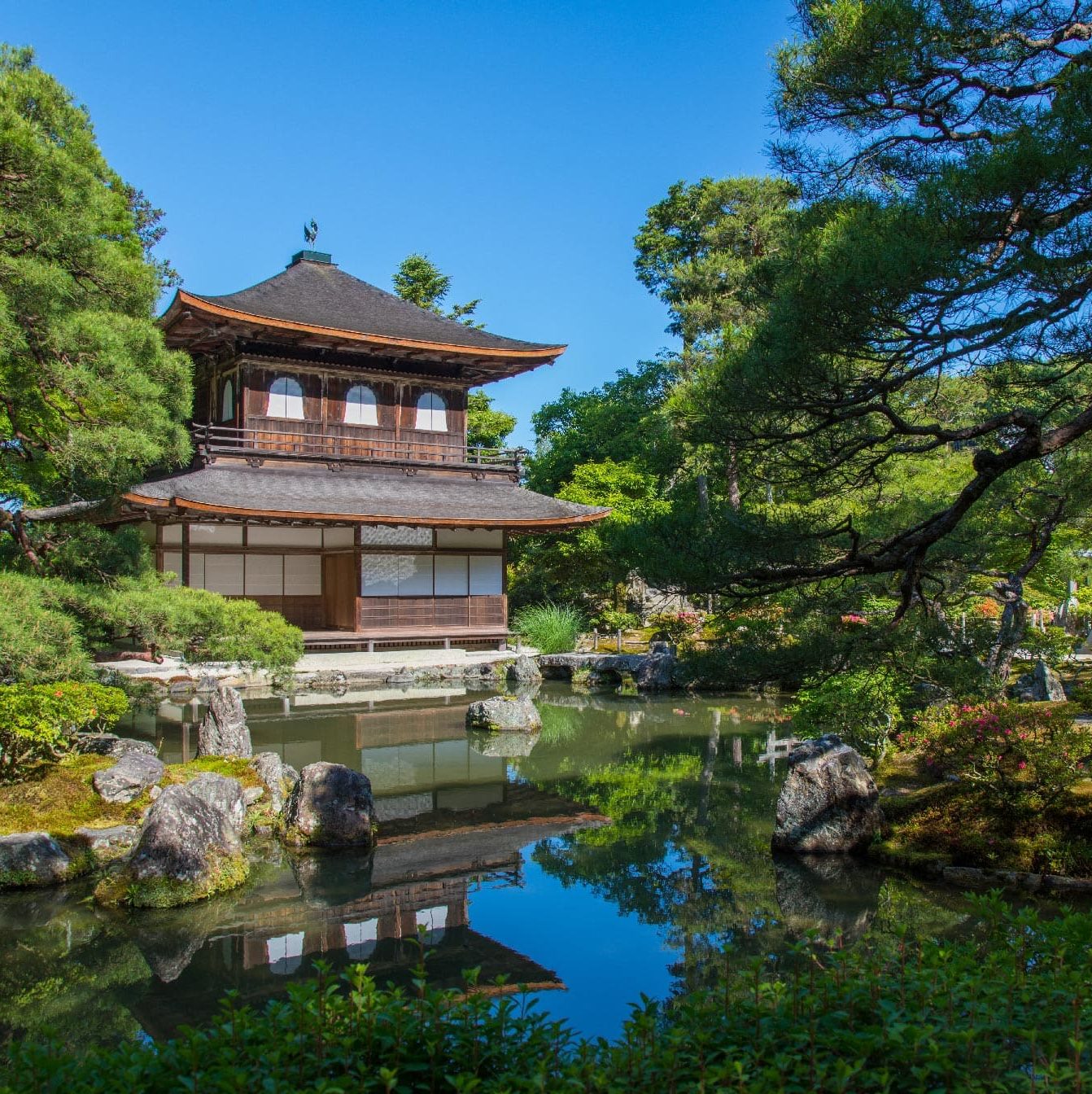
Ginkakuji
(Aka Silver Pavilion) was built by Ashikaga Yoshimasa, the grandson of Yoshimitsu, who built Golden Pavilion in the 15th century. He was Shogun, the head of samurai warriors, yet he was not interested in politics, but obsessed with the arts. This place has an enormous influence on such Japanese arts as the tea ceremony and flower arrangement.
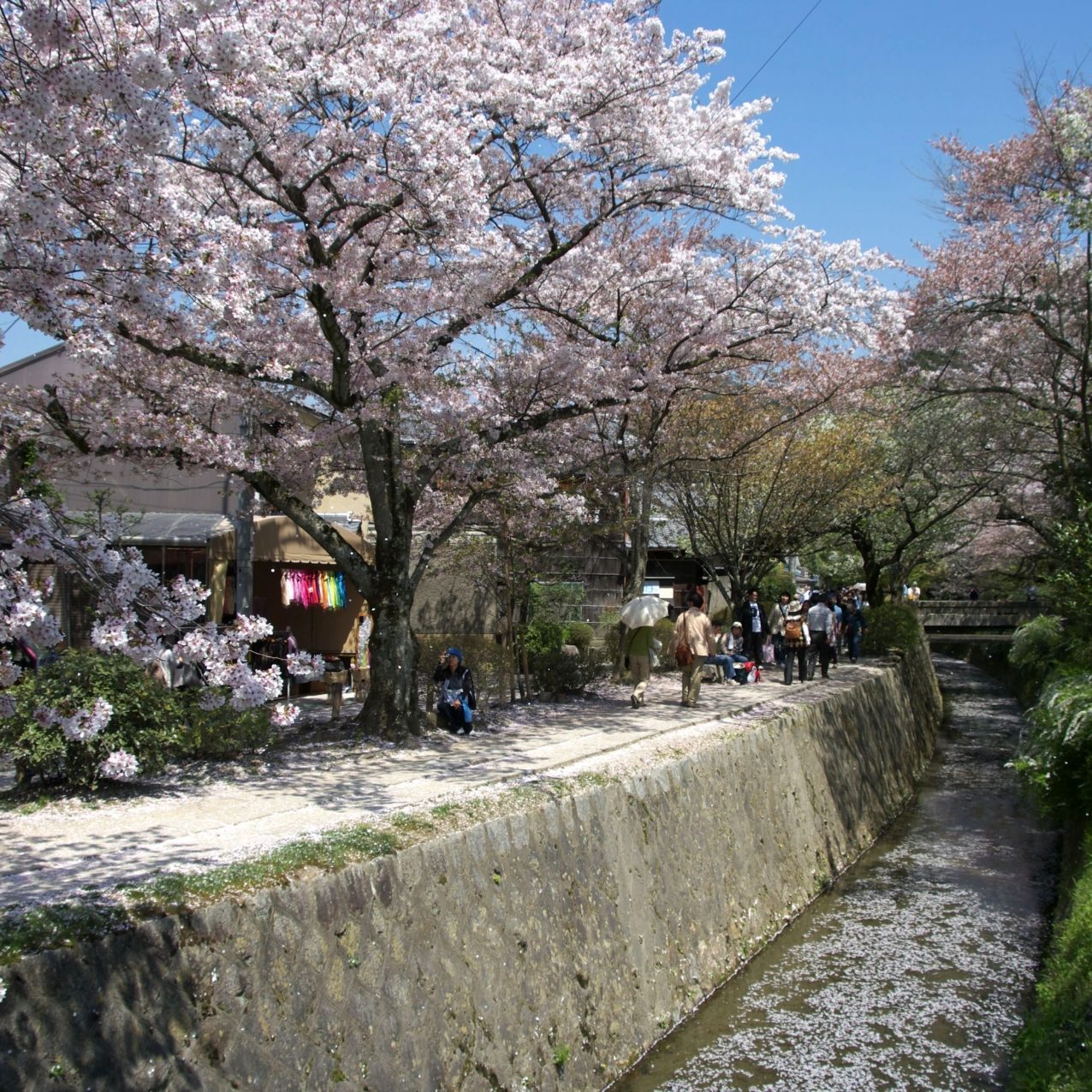
Philosopher’s Walk
The pleasant 2km stone path from Ginkakuji to Nanzenji Temple. It is particularly a popular walk during the cherry blossom season. The name comes from a local philosopher who used to walk this path every day on the way to Kyoto University.
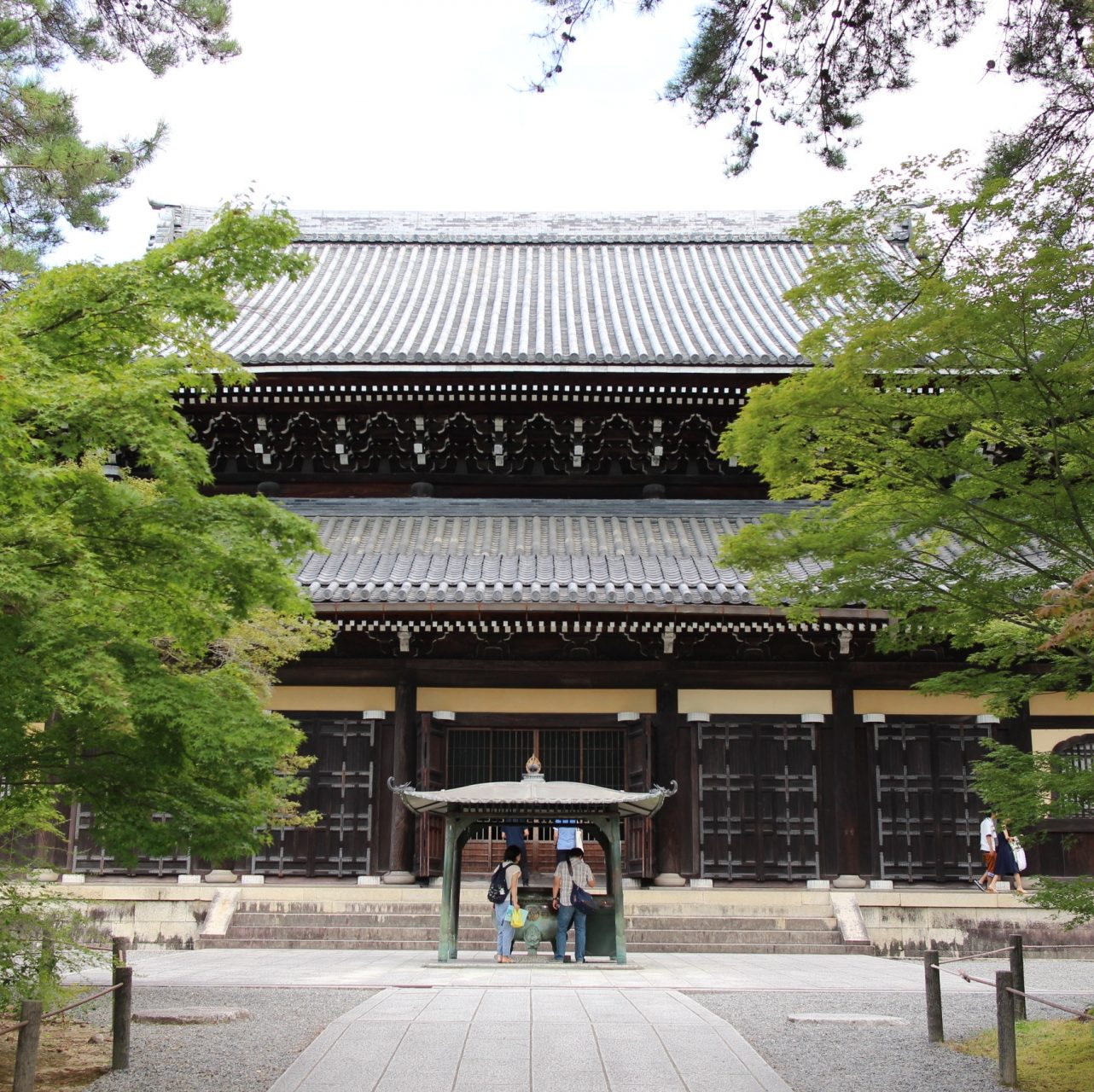
Nanzenji Temple
is one of the most important Zen Buddhist temples in Kyoto. Originally established in the 13th century, the temple is famous for the massive main gate, rock gardens and the Roman-style aqueduct.
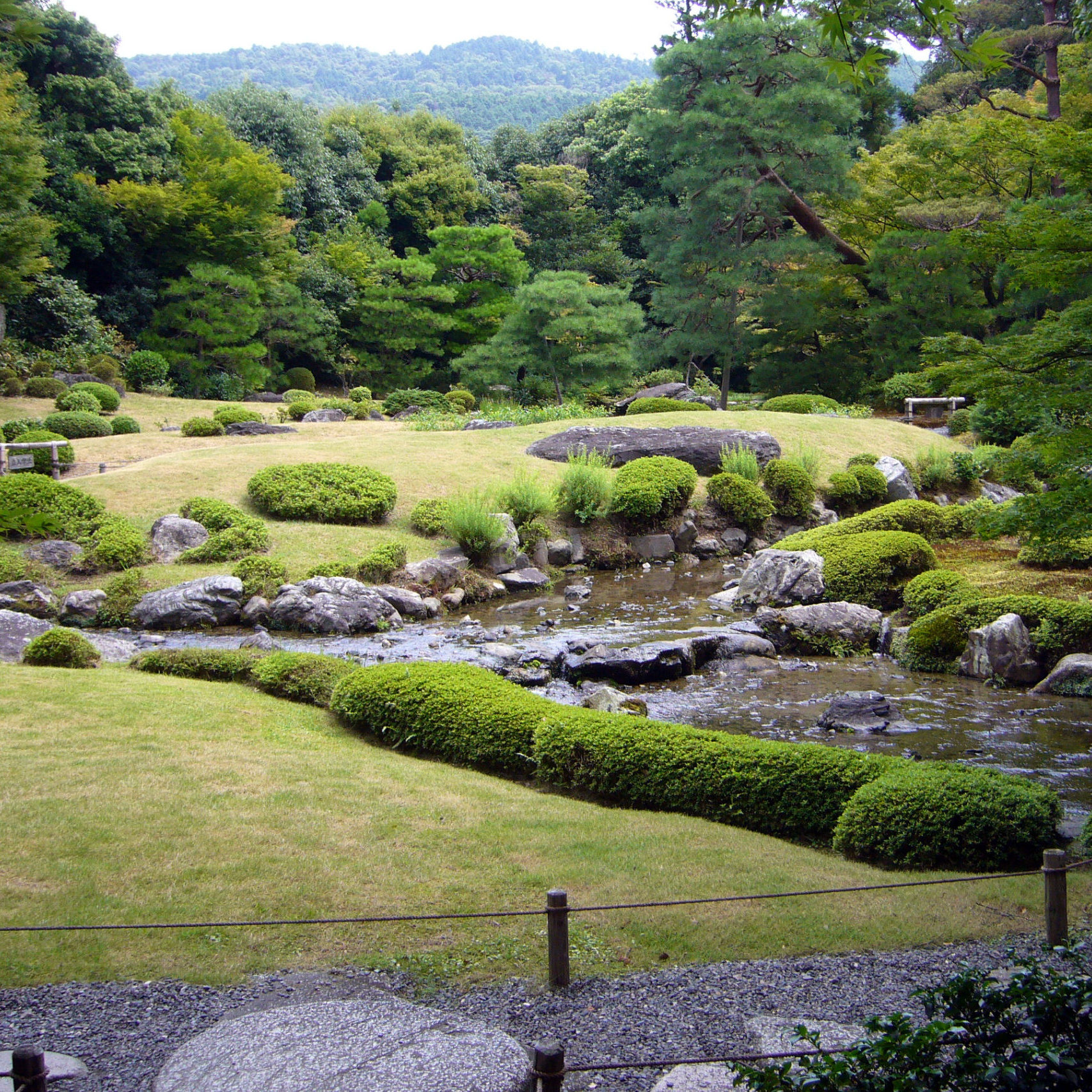
Murin’an Garden
is a private garden of Yamagata Aritomo, who was a prime minister of Japan. This typical Japanese garden is small, but just beautiful to stroll around or to look at.
Kyoto(4) :
Kurama(Kuramadera Temple – Mountain Walk – Kibune)
This 4 kilometer hike is a perfect day-out in the woods. Kuramadera Temple has a spiritual energy of its own. That’s why Japanese people literally call it ‘The Power Spot’, while Kibune is the coolest spot to escape from the hot summers of Kyoto. Kubune Shrine worships the god of water.
Kyoto(5) :
History & Now(Kyoto Station Building – Imperial Palace – Nijo Castle – Nishiki Market – Gion)
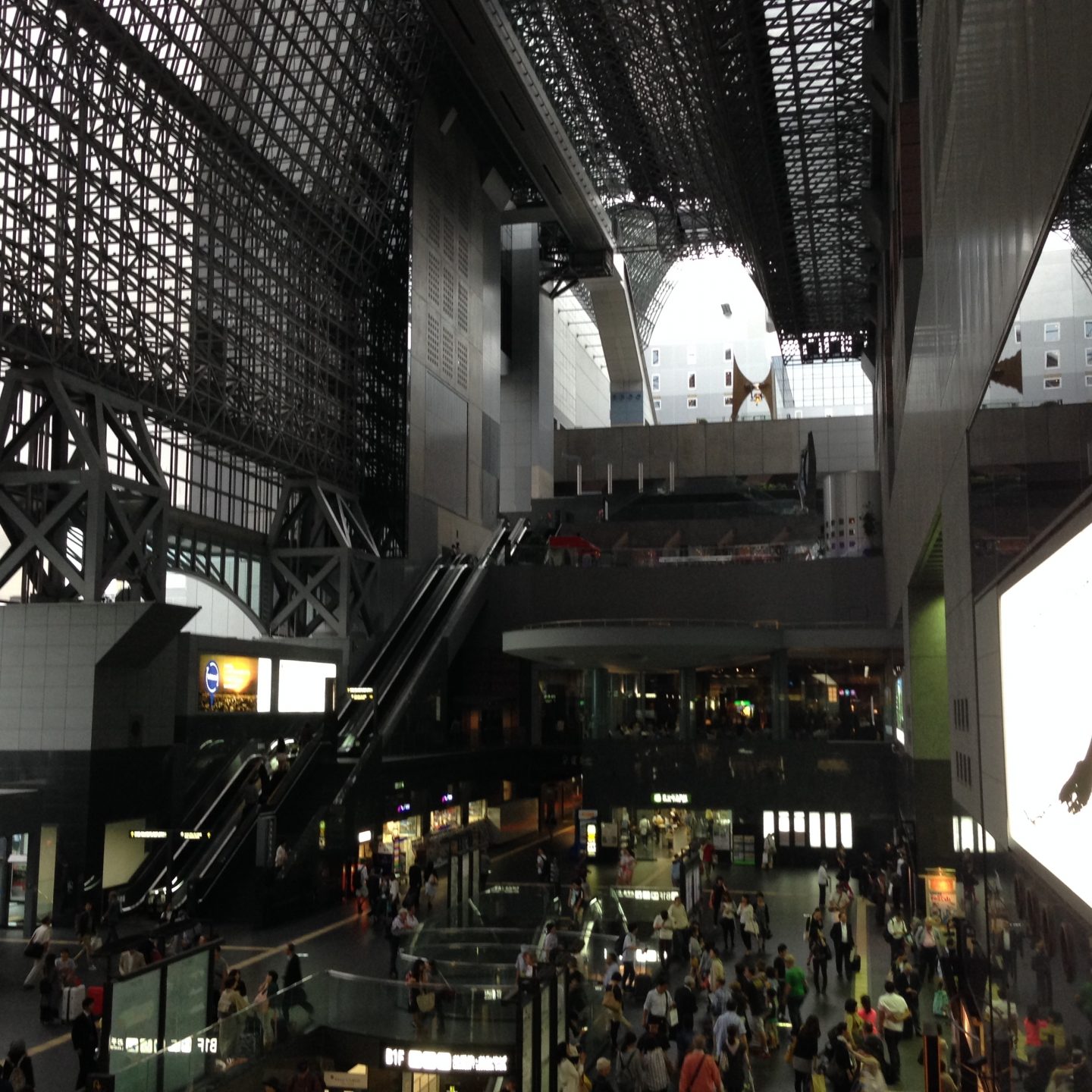
Kyoto Station Complex
Built in 1997, this is a stunning example of modern Japanese architecture. A panoramic view of central Kyoto from the top. The evening illumination of projection mapping on huge stairs is worth a look. Also, there is a ramen street on the 10th floor where you can choose the ramen soup of your choice from the northern areas of Japan to southern Japan.
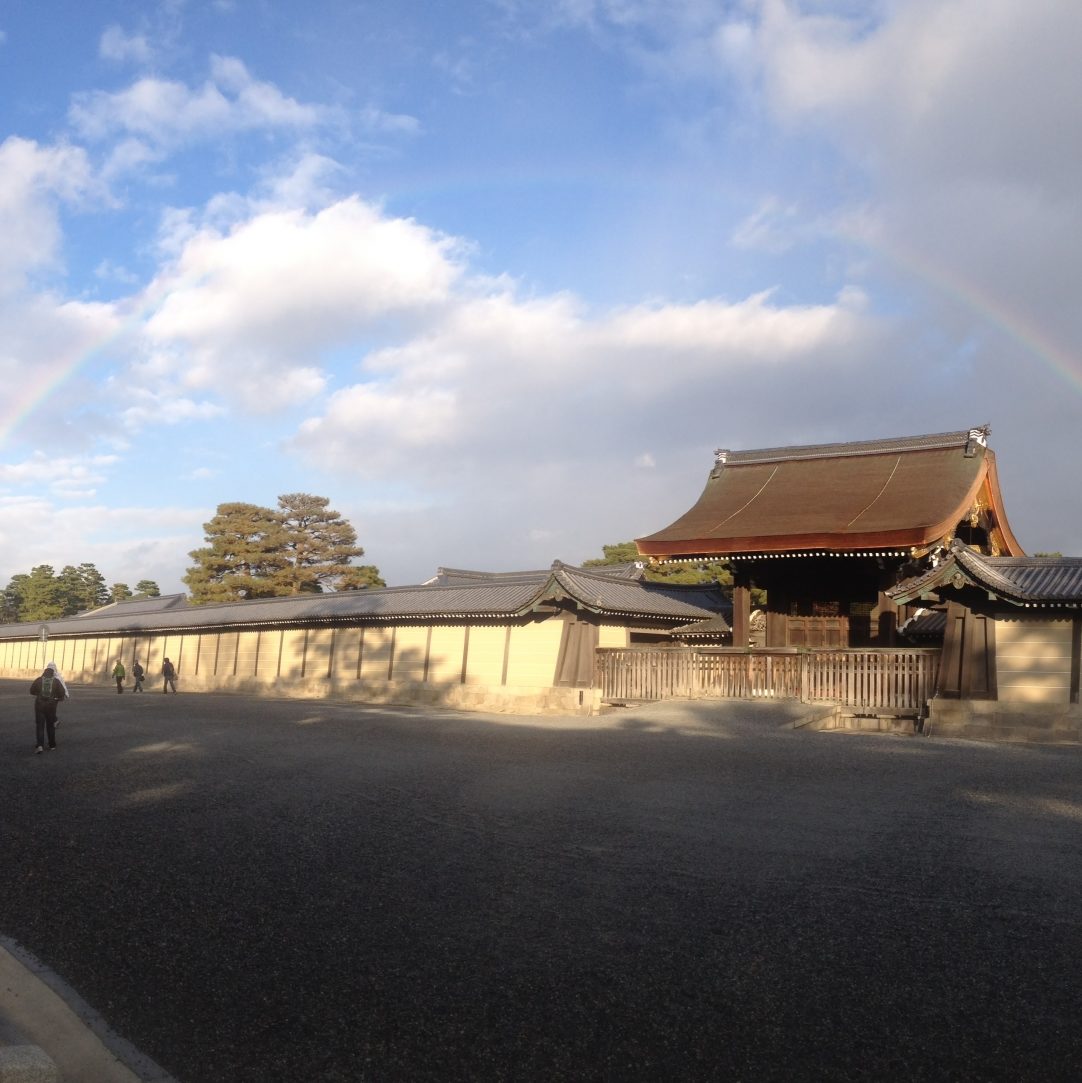
Kyoto Imperial Palace
offers an opportunity to look at the residence of Japanese emperors until 1868.
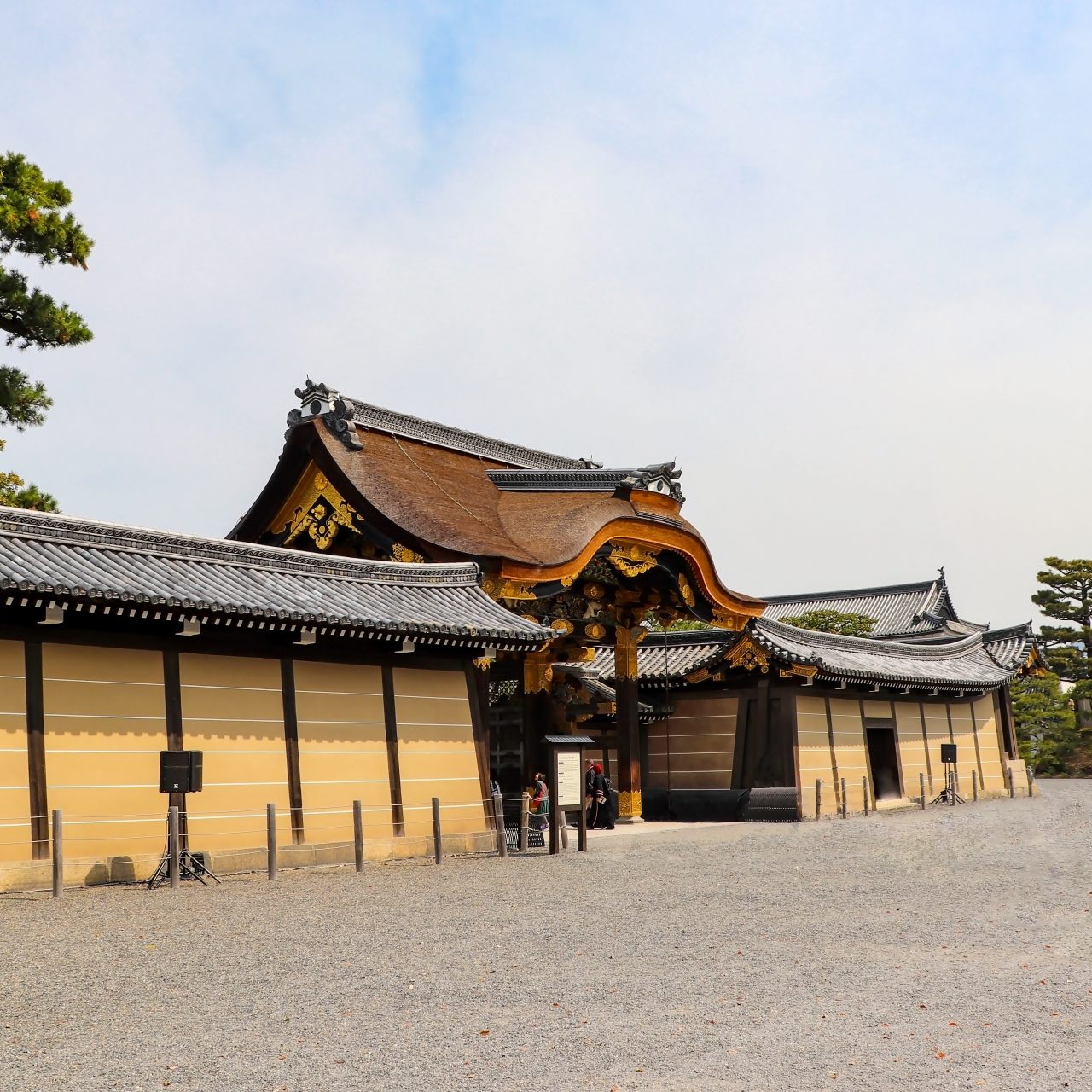
Nijo Castle
is the Shogun’s Residence in Kyoto during the Edo Period. This is the place where the era of the last Samurai Dynasty started and ended.
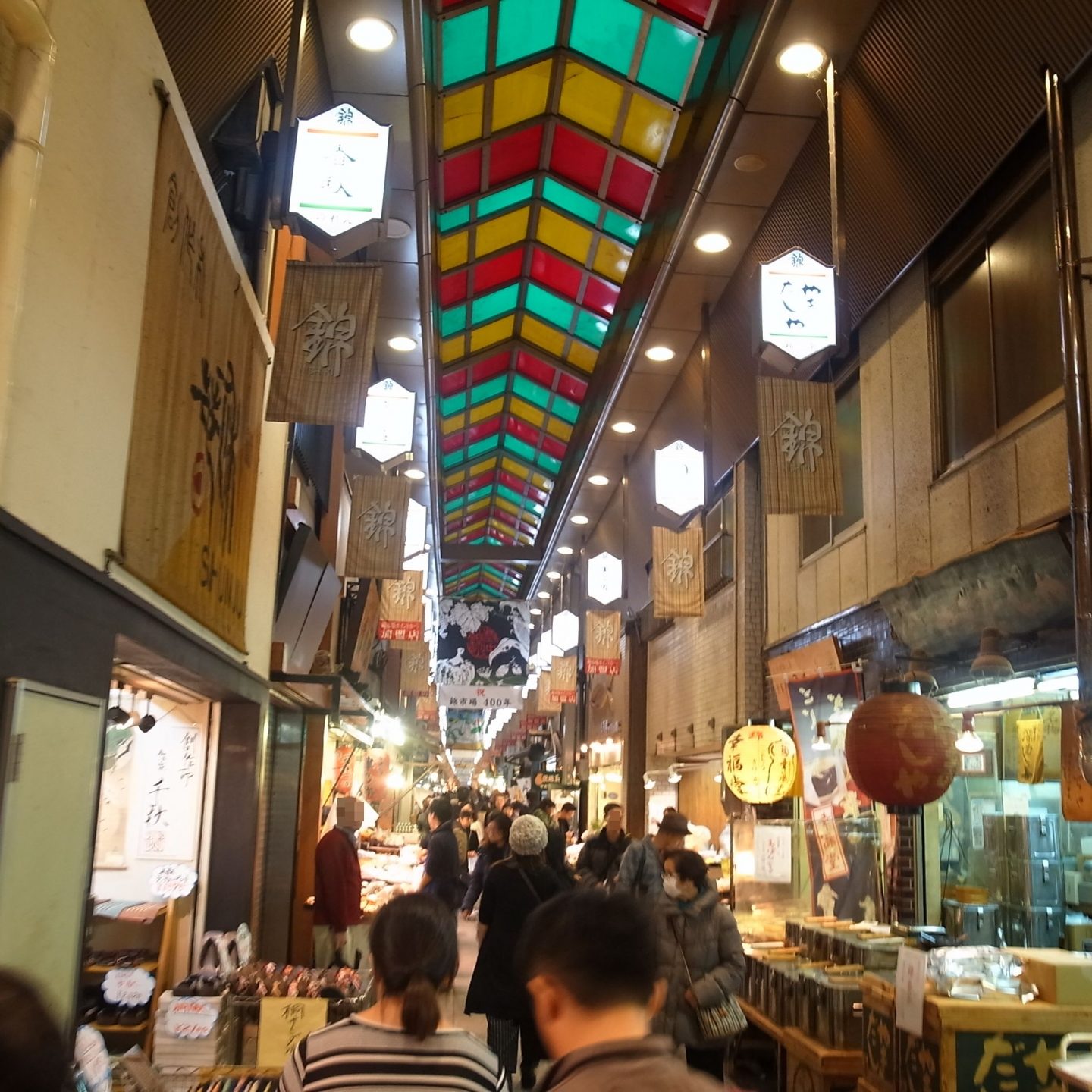
Nishiki Market
is Kyoto’s kitchen, and there are many good places to eat and drink. Kyoto’s main shopping area. with two major department stores, is nearby.
Kyoto(6) :
Supreme Gardens(Tofukuji Temple – Komyoin – Nanzenji Gardens – Murin’an Garden – Saihoji Temple)
Visiting some of the famous and not-so-well-known small gardens in Kyoto.
Nara
Nara is the oldest permanent capital of Japan. Unlike Kyoto, it is now a small town, and there are many deer walking around everywhere in town.
Nara :
Nara Prefecture Office Observatory – Isuien Garden – Todaiji Temple & Great Buddha – Kasuga Taisha Shrine
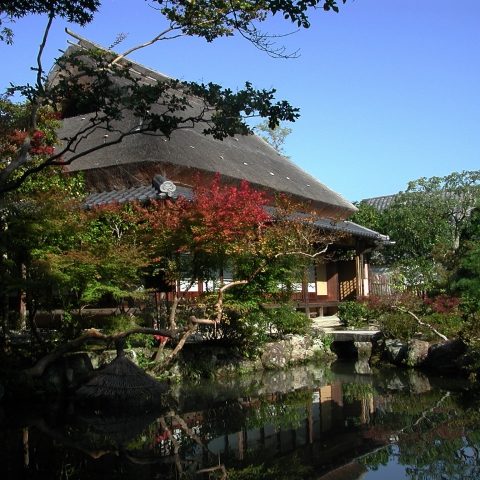
Isuien Garden
is an attractive Japanese garden near Todaiji Temple. We can stroll around peaceful gardens from two different periods.
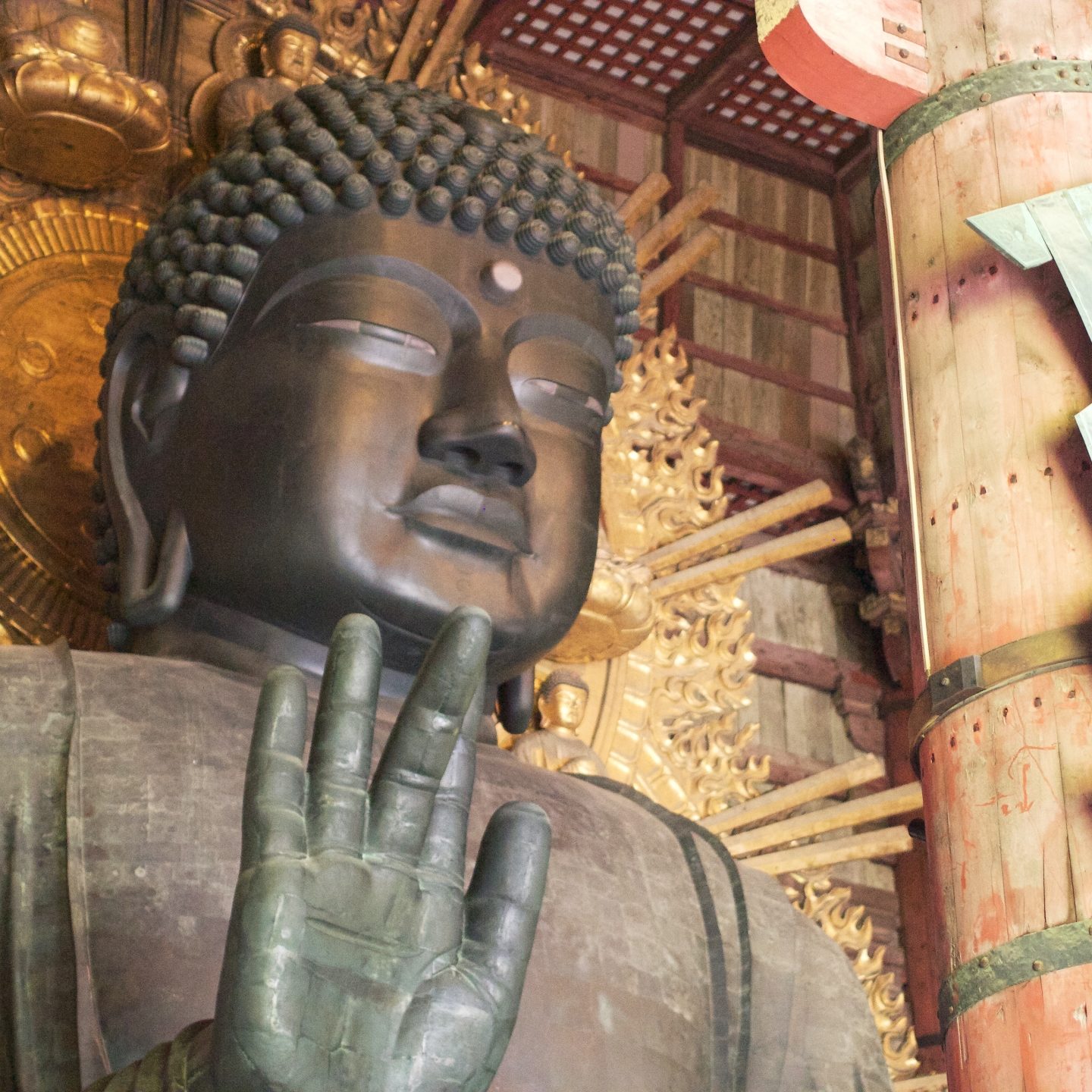
Todaiji Temple
Originally built in the 8th century, Todaiji Temple is known for one of the biggest wooden structure buildings in the world. Inside, the Great Buddha is waiting for you.
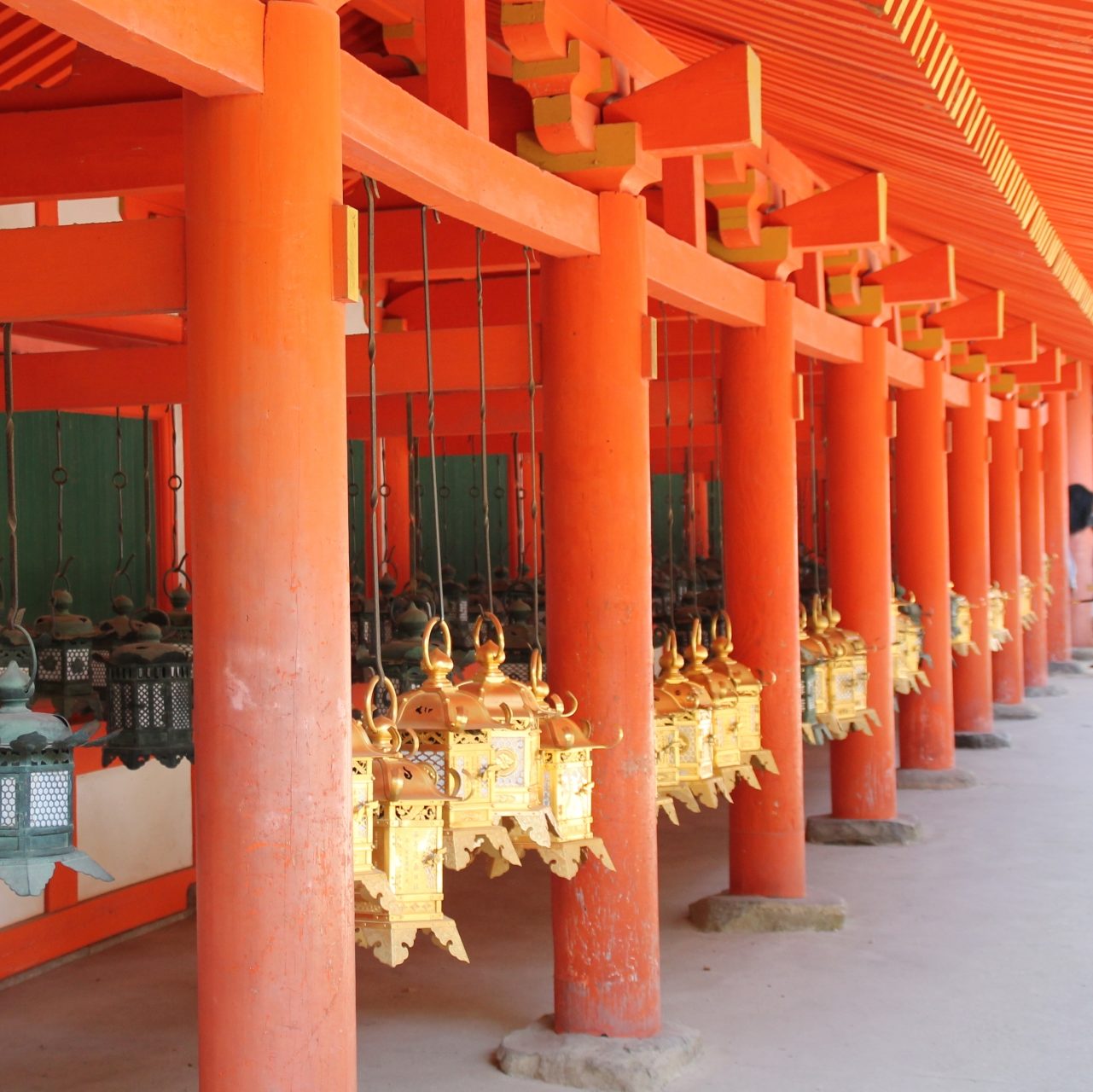
Kasuga Taisha Shrine
is famous for 2,000 stone lanterns and 1,000 hanging lanterns. The 1,500 deer you see everywhere in Nara are known as the messengers of gods of this shrine.
Other places of interests in Nara: Horyuji Temple, Murohji Temple, Mt. Yoshino
Kobe
Kobe :
Ikuta Shrine – Kitano Districts – Nunobiki Herb Garden – Chinatown
Ikuta Shrine
is one of the oldest shrines in Japan. The shrine is worshipped as a guardian of health. On weekends, many weddings are held here.
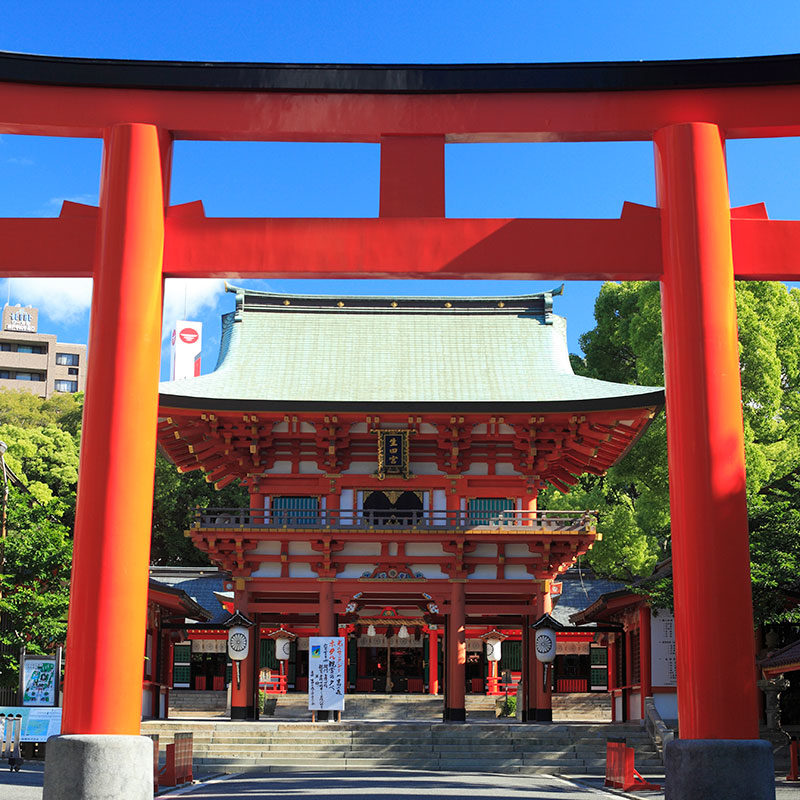
After 250 years of isolation, Kobe was the first port opened in Western Japan. Kitano Districts is the area many Western residents lived.
Up on the mountain, Nunobiki Herb Gardens offers 75,000 herbs and flowers blooming throughout the year. You can take the ropeway, but if you feel like walking, we can hike up the hill.
In the evening, you can explore Japan’s second largest Chinatown or have a Kobe beef dinner.
Others
Other out-of-town tours: takes over 10 hours and need to start early
Himeji :
Himeji Castle – Kokoen Garden – Engyoji Temple
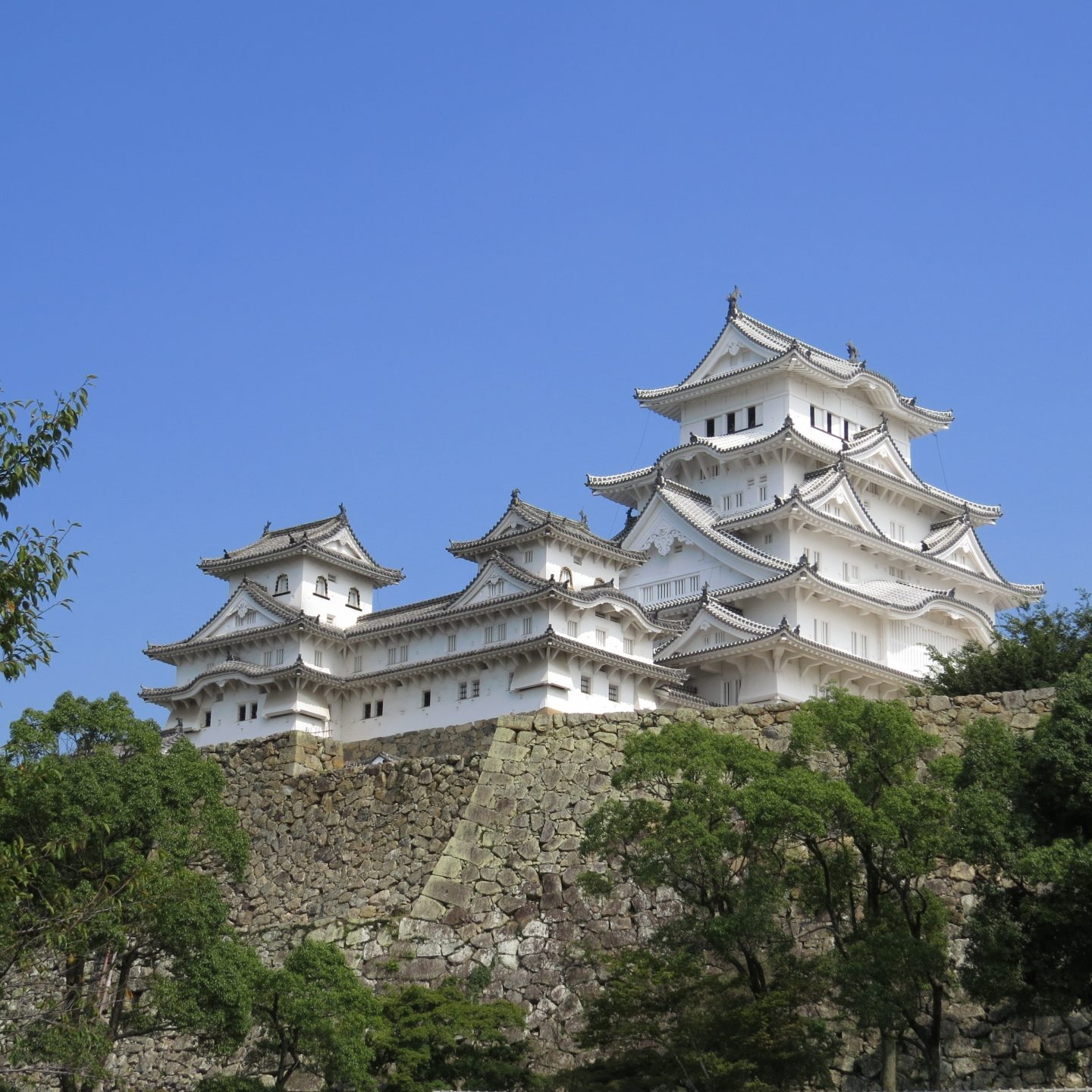
Himeji Castle
became a UNESCO’s world heritage site in 1993, the first one in Japan. Built 400 years ago, it has never become a battlefield, unlike other castles in Japan, it has kept its original castle keep. Kokoen is a mixture of nice gardens of different styles next to Himeji Castle. If you have any energy left, Engyoji, on the mountain, is a peaceful retreat to visit. It became a shooting location site for many films, including Tom Cruise’s Last Samurai.
Koyasan Buddhist Monastery :
Okunoin Cemetery – Danjo Garan Complex – Kongobuji Temple
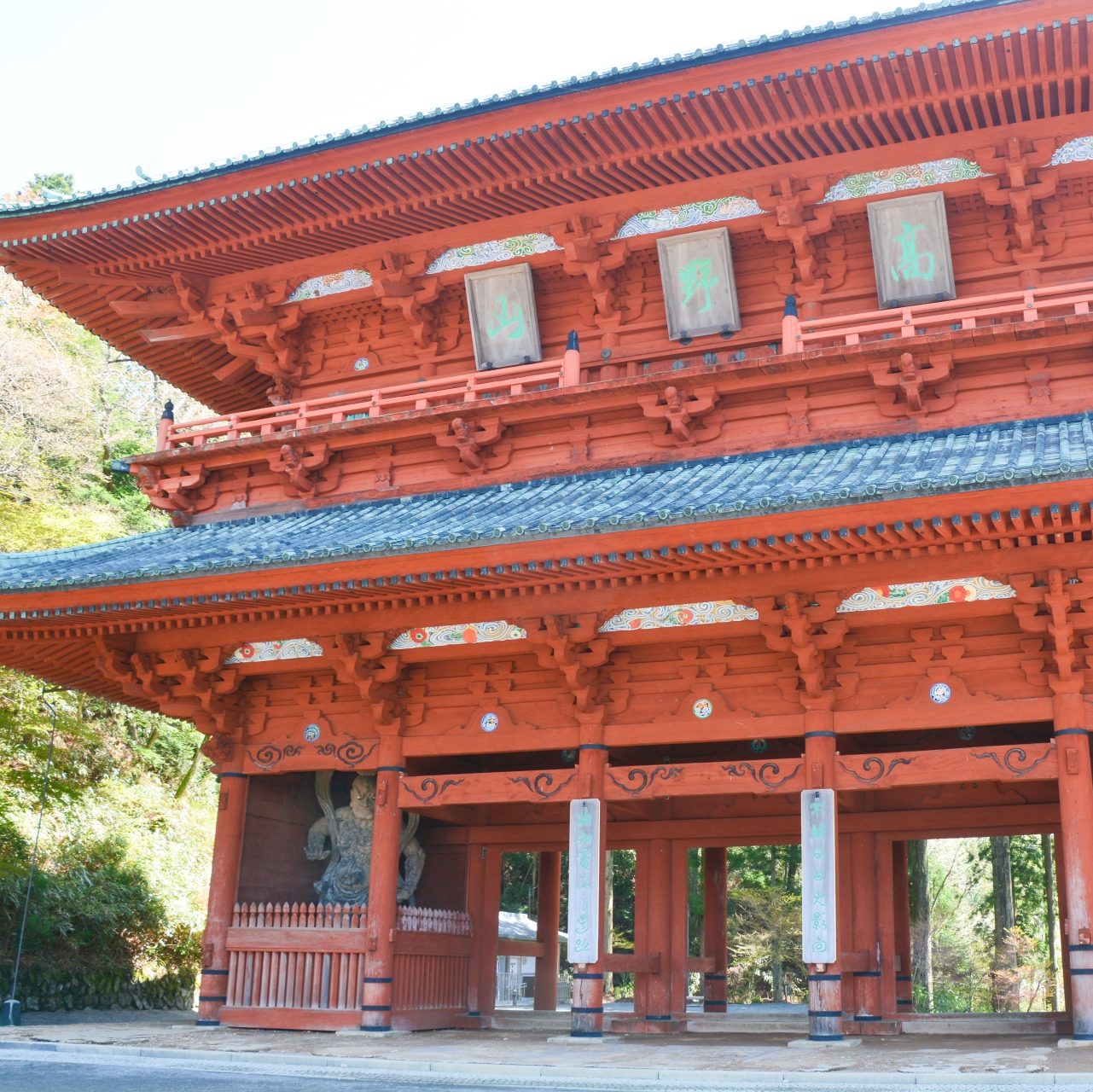
Koyasan
is a Buddhist monastery deep in the mountains established 1,200 years ago. Women were not allowed to come here until 1906. There are many temples which you can stay overnight.
Hiroshima :
Peace Park – Miyajima Island
It was said no grasses would ever grow again in Hiroshima. But the city the first atomic bomb was dropped has now turned into a beautiful city. The Atomic Bomb Dome in Hiroshima Peace Park is standing still symbolizing wartime memories, 75 years on.
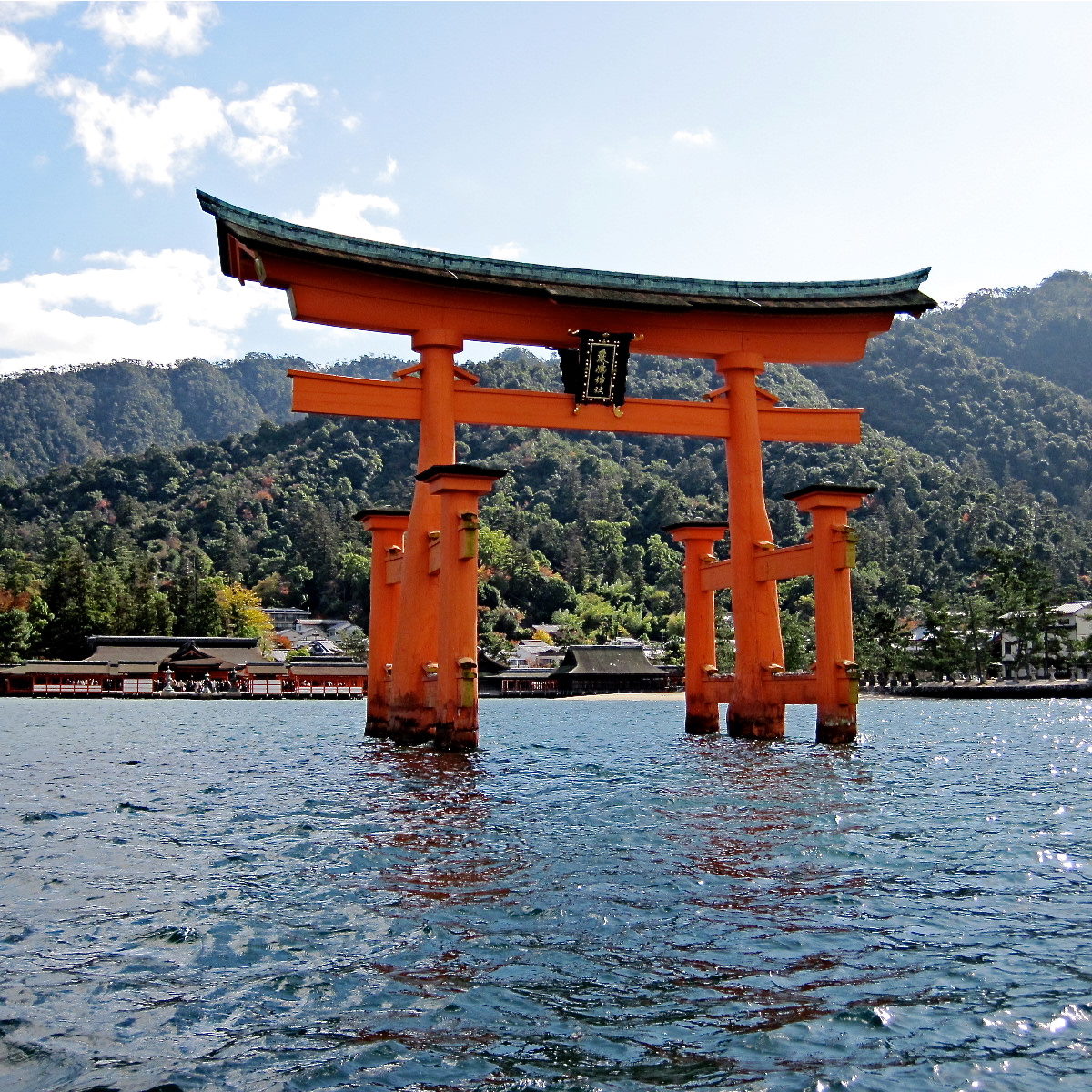
Miyajima Island
is famous for Itsukushima Shrine Torii gate on the sea.
and other private tours especially designed to meet your needs.
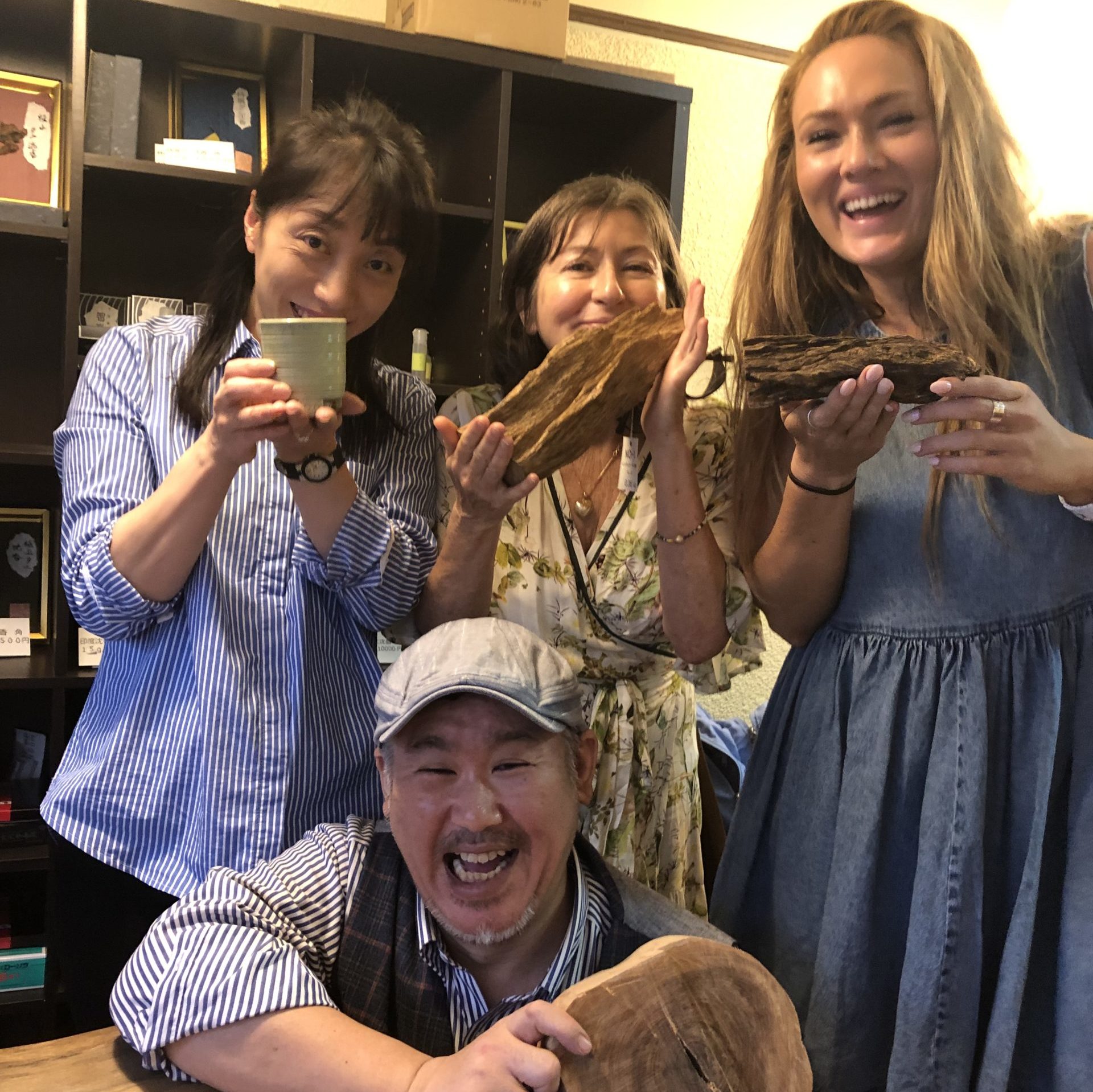
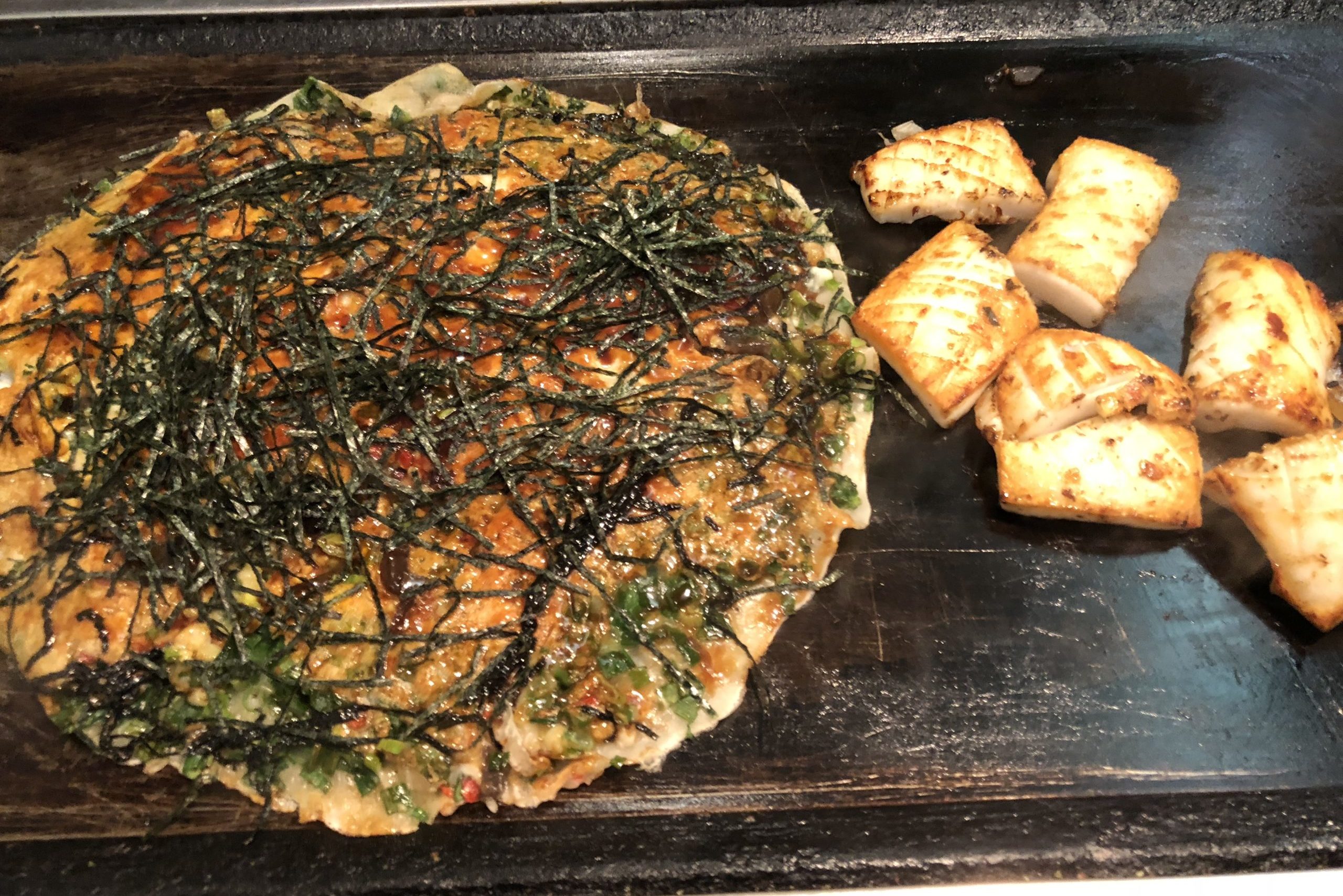
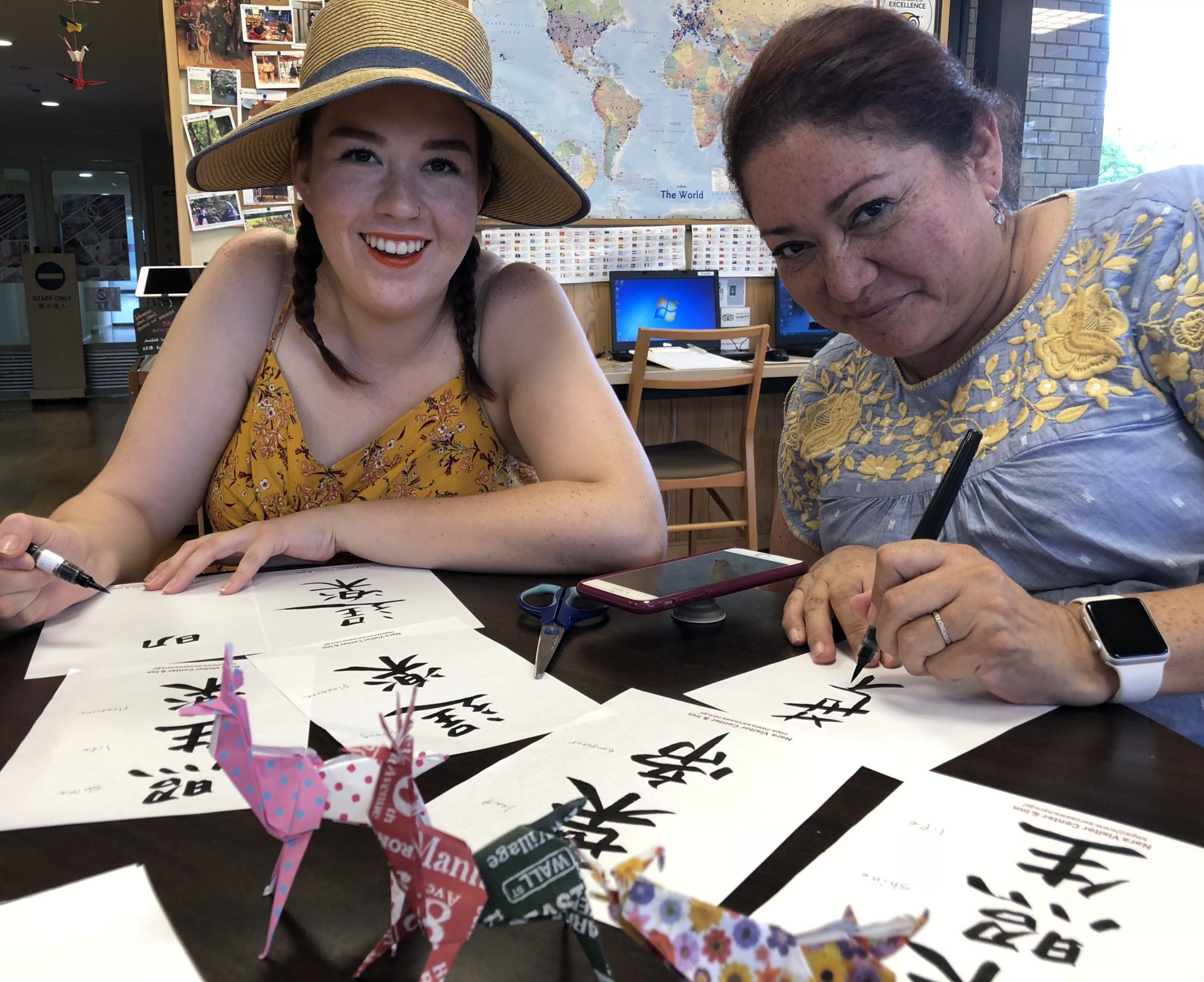
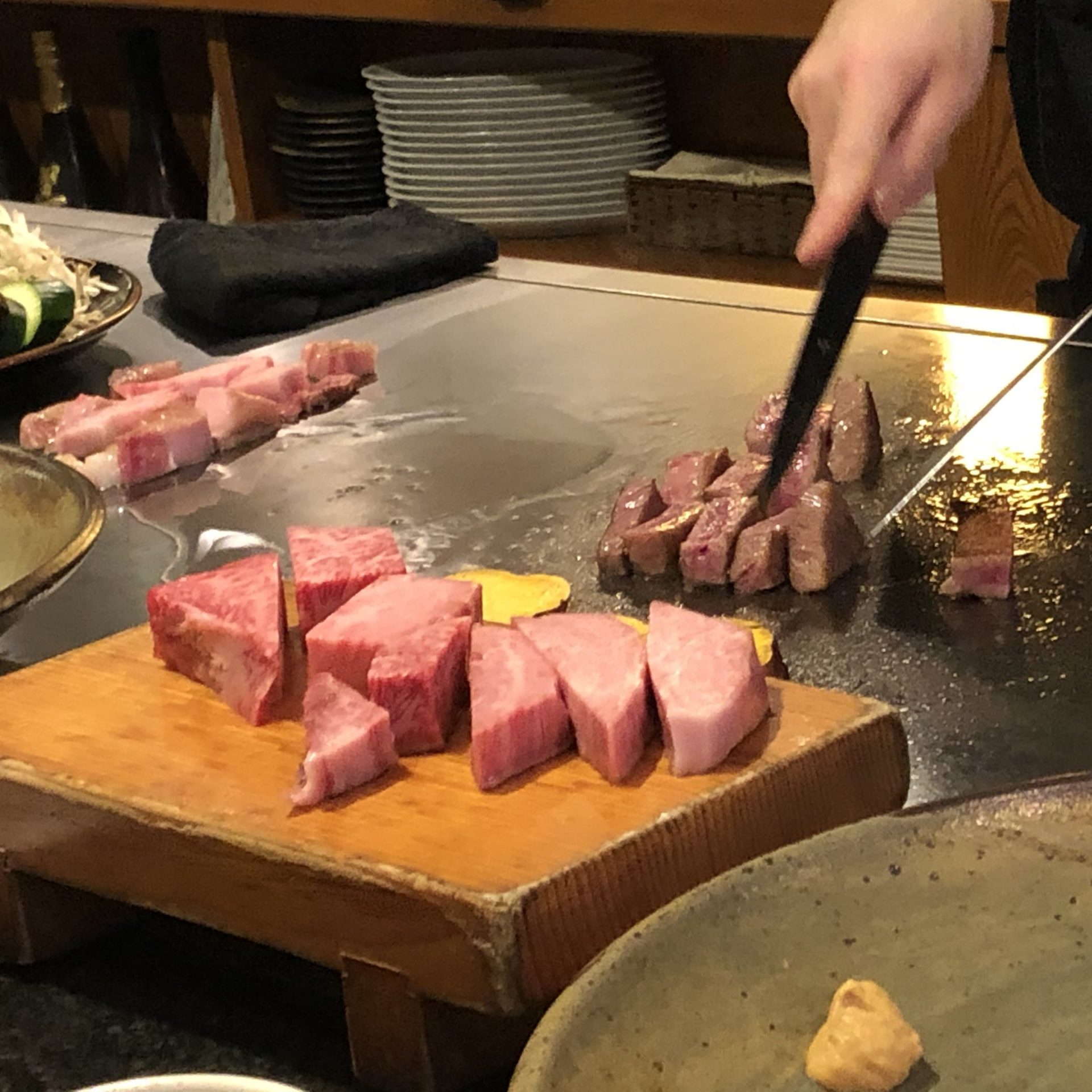
Experiences
Guiding Fee
This is the professional guiding fee only for up to four individuals in one group.
In addition, you must pay for your transportation, entrance fees and other personal expenses. Also, when guides are travelling and dining with you, expenses are expected to be paid by you.
Guides are not allowed to drive a vehicle while working as guides in Japan.
We will use public transportation and explore the city on foot.
I am an independent tour guide, but not a travel agent. Therefore, I cannot make bookings which require advance payment or cancellation fees on your behalf though I am always happy to advise you on your itinerary.